
Israel Establishes New Settlements and Farms in Hebron Hills After Deadly Attack
Translated & summarized from Behadrei Haredim by baba
Israel is establishing two new settlements and six agricultural farms in the Hebron Hills following a deadly attack that killed two IDF soldiers. The initiative, supported by the Ministry of Defense, aims to strengthen Israeli control and security in the area. In response to the attack, Israel also banned Palestinian laborers from entering most settlements in Judea, Samaria, and the Jordan Valley.
The story in 5 lines · by baba
- Israel is establishing two new settlements and six agricultural farms in the Hebron Hills.
- The expansion follows a deadly terrorist attack that killed two IDF soldiers last Friday.
- The initiative aims to strengthen Israeli control and security in the region.
- Palestinian laborers are banned from entering most settlements in Judea, Samaria, and the Jordan Valley.
- The Head of the Hebron Regional Council stated the move is a response to terror and a choice for life.
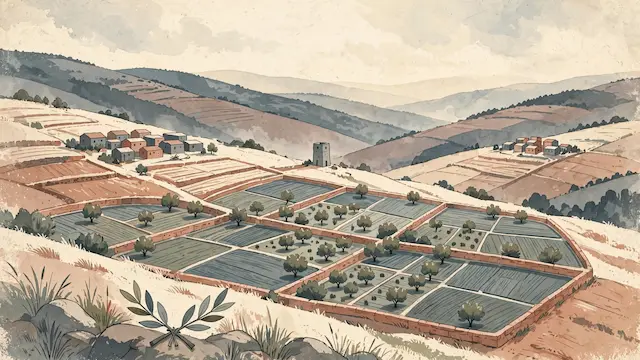
In response to a deadly terrorist attack in the southern Hebron Hills that claimed the lives of two IDF soldiers, the Hebron Regional Council announced a significant expansion of Israeli settlements. The plan, developed in cooperation with the Ministry of Defense, the Settlement Administration, and the Amanah movement, involves establishing eight new settlement points across the council's jurisdiction. This initiative aims to strengthen Israeli control over the land and enhance security in the region.
Among the planned new settlements are Migdal, located between Negohot and Eshkolot, and Nofei Golot, situated between Otniel and Afeka. Additionally, six agricultural farms will be established: Metspeh Tzur near Telem, close to the site of the recent attack; Noy Farm between Karmei Yehuda and Adura; Lev Amit between Makda and Adura; Eshal Farm between Negohot and Eshkolot, near Migdal; Lem'an Achai between Otniel and Shama; and Metspeh Or between Carmel and the nature reserve in the Judean Desert.
The council stated that the expansion is intended to deepen presence on the ground, create settlement continuity, preserve state lands, and bolster security along roads and in open areas. In parallel, the IDF decided to prohibit Palestinian laborers from entering settlements in Judea and Samaria and the Jordan Valley starting the next day until Monday, with exceptions for industrial zones and a few other approved areas. The political echelon also approved a ban on the entry and exit of Palestinian laborers throughout Judea, Samaria, and the Jordan Valley, including industrial zones, and the closure of all land crossings, based on recommendations from the security establishment.
Eliram Azulai, Head of the Hebron Regional Council, declared, "Terror seeks to sever lives, instill fear, and undermine our hold on our homeland, but our historical and Zionist response is being written on the ground. We will not retreat." He added, "Out of the immense pain and heartbreak over the fall of our heroic soldiers, we choose life and deepen our roots. The establishment of two settlements and six farms is a clear statement: we are here to stay, to build, and to grow."
Concurrently, the Civil Administration demolished illegal Arab structures near the site of the Hebron attack. The attack, which occurred last Friday, resulted in the deaths of Sergeant Major Ron Yonatan Reitman, 23, from Ashkelon, and Sergeant Yuval Shai Suilam, 20, from Hod Hasharon, both soldiers in the same IDF battalion.
Mentioned
The same event, reported separately by each outlet. Open a few to compare what different newsrooms emphasize — and what they leave out.
Right 2Haredi 1



Not the same event — other stories that share this one’s people, places, or theme: background, reactions, and follow-ups.


