
Election Campaigns Pit External Threats Against Internal Divisions
Translated & summarized from i24NEWS by baba
Israeli election campaigns have concluded with opposing focuses: right-wing parties emphasized external threats like Hamas and Iran, while left and center parties highlighted internal issues such as relations with Haredi parties and accountability for October 7th failures. Both sides aimed to mobilize their bases by defining the central issues for voters.
The story in 4 lines · by baba
- Right-wing campaigns focused on external threats including Hamas, Hezbollah, and Iran.
- Left and center campaigns emphasized internal issues like Haredi party relations and October 7th accountability.
- Both political camps sought to mobilize their bases with targeted messages.
- The election campaigns centered on defining Israel's primary threat and public agenda.
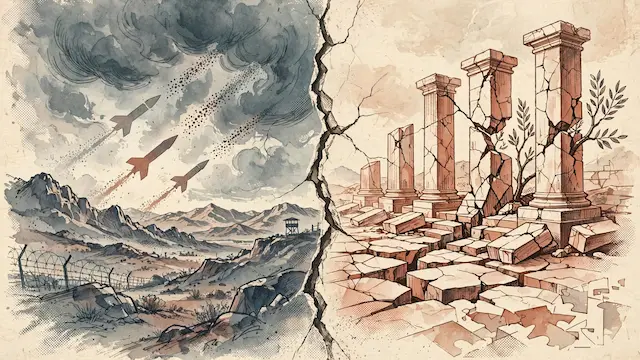
As Israel's election campaigns near their conclusion, the political landscape has been defined by a stark contrast in focus between the right and the left. The right-wing campaigns centered on external threats, identifying enemies such as Hamas, Hezbollah, and Iran, aiming to place national security at the forefront of the electoral agenda.
Conversely, the campaigns on the left and center of the political spectrum emphasized internal issues. These included the relationships with ultra-Orthodox parties, settlement expansion in Judea and Samaria, and accountability for the failures leading up to the October 7th events.
Both sides of the political map sought to mobilize their respective bases by repeatedly highlighting key messages and defining the central issues they believed would resonate with voters heading to the polls. The campaigns were characterized by a struggle over the public agenda and the primary threat facing Israel.




