
Israeli Elections: From Celebration to Somber Duty Amidst Division
Translated & summarized from Maariv by baba
Author Yona Bartal observes that Israeli elections have shifted from a democratic celebration to a somber duty due to fear and division. She stresses the importance of the right to vote, which previous generations fought for, and urges citizens to overcome apathy and participate. Bartal argues that true leadership requires responsibility and the ability to mend the nation, making voting a crucial act of civic duty.
The story in 5 lines · by baba
- Author Yona Bartal contrasts past "holiday attire" election days with current "heavy heart" voting.
- She laments that public discourse has devolved into shouting and slander, not future-focused debate.
- Bartal argues that citizens feel abandoned, with diminished security and trust in leadership.
- She calls for citizens to overcome apathy and vote, emphasizing shared responsibility for the future.
- The author stresses that democracy is both the right to choose and the duty to believe in its impact.
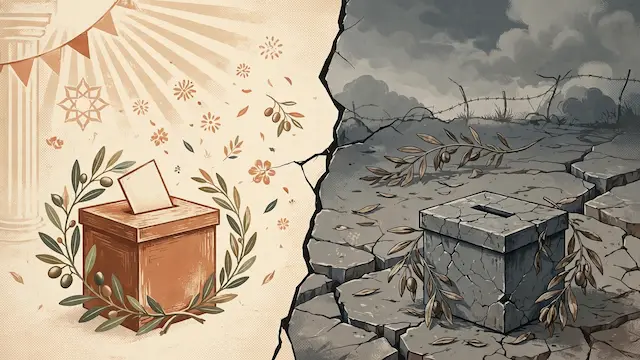
The author, Yona Bartal, reflects on the changing nature of Israeli elections, contrasting past "holiday attire" approaches with the current "heavy heart" sentiment. Bartal argues that while election day was once a celebration of democracy, it has become a somber occasion marked by fear and division, especially as trust in leadership has eroded.
Bartal emphasizes that the right to vote, hard-won by previous generations, is not to be taken for granted. She laments that the discourse has devolved from discussions about the nation's future into a cacophony of shouting, slander, and violence, leaving little room for listening or hope. The author recalls election days when families dressed up and brought children to teach them about citizenship and the power of their vote.
In the current climate, Bartal notes, many Israelis feel abandoned, with security and trust diminished, and a sense that no one is truly at the helm. She asserts that a country cannot function long-term without responsibility, trust, and leadership that understands its power is a public trust. True leadership, she contends, is measured not just by speeches but by the ability to protect citizens, admit mistakes, mend divisions, and restore faith in a better future.
Therefore, Bartal urges citizens to overcome disappointment and apathy and vote, emphasizing that responsibility lies not only with elected officials but with every citizen. She concludes that while the mood may be less festive, the sense of responsibility should be paramount, as democracy is both the right to choose and the duty to believe that one's choice matters. She calls on everyone to vote and influence the future.
Mentioned



