
Dubai Aviation Security Measures Drive Up Airfare for Israelis
Translated & summarized from Ice by baba
Israel's enhanced security screening of foreign flight crews, prompted by an incident on a Flydubai flight, has significantly increased airfare for Israelis. The new regulations have led to the suspension of flights by Flydubai and Emirates, drastically reducing capacity and driving up prices for travel to Asia. The added security costs and operational complexities are also deterring other international airlines from flying to Israel.
The story in 5 lines · by baba
- Israel's strict new flight crew security checks have caused airfare to the East to more than triple.
- Flydubai and Emirates have suspended flights from Tel Aviv due to the new security demands.
- The security measures are costing the Israeli public purse tens of millions of shekels.
- Hundreds of thousands of Israelis are now facing limited flight options and higher prices.
- The new rules may deter more international airlines from flying to Israel.
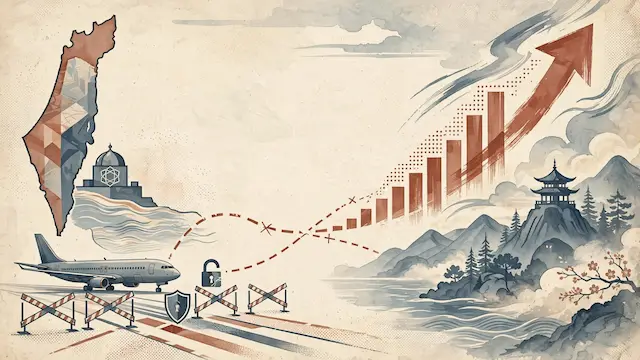
Heightened security measures implemented by Israel following an incident on a Flydubai flight have led to a significant increase in airfare for Israeli travelers. The Israeli Ministry of Transportation, in conjunction with the National Security Council and the Shin Bet, has imposed stringent vetting of all foreign flight crews landing in Israel. This has necessitated substantial investment in upgrading aviation security systems and expanding passenger data analysis capabilities, costing tens of millions of shekels, which are currently being absorbed by the public purse.
A key consequence of these new regulations is that airlines must submit full flight crew manifests at least 48 hours in advance and are required to screen pilots from countries without diplomatic ties to Israel. This has complicated crew management and increased operational costs for airlines.
Flydubai, which operated approximately 10 daily flights, was a crucial and affordable transport link, particularly for travel to popular Asian destinations like Thailand, India, Japan, Vietnam, and the Philippines. Its absence has created a substantial gap in flight availability.
With the cancellation of these flights, hundreds of thousands of Israelis are now reliant on limited direct flights from Israeli carriers or a few connecting airlines. This reduced supply has caused ticket prices for flights to the East to skyrocket from around $500-600 to $1,500 or more.
Furthermore, the new security requirements extend to wet-leased aircraft, which include foreign crews. The difficulty in vetting and assigning these crews presents a significant obstacle to Israeli airlines expanding their fleets, further limiting seat availability and keeping prices at record highs.
Mentioned
The same event, reported separately by each outlet. Open a few to compare what different newsrooms emphasize — and what they leave out.
Other 2
