
Political Messages Appear Unsolicited in Google Calendars Ahead of Elections
Translated & summarized from Mako by baba
Users of Google Calendar have discovered unsolicited political messages appearing as calendar invitations, six days before the elections. Cybersecurity experts state this does not confirm a breach but warns the invitations may contain malicious links or files. Users are advised to avoid clicking on unknown invitations and to adjust calendar settings to prevent automatic additions.
The story in 5 lines · by baba
- Unsolicited political messages are appearing in Google Calendar invitations before the elections.
- One message was titled "Elections - Sending Sarah to Miami" for election day.
- Cybersecurity experts say this doesn't necessarily mean accounts were hacked.
- These invitations could contain dangerous links or files, experts warn.
- Users should avoid clicking unknown links and can adjust calendar settings.
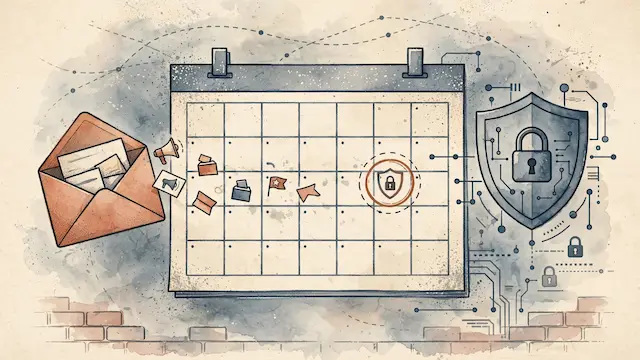
Users of Google Calendar are reporting the appearance of unsolicited political messages disguised as calendar invitations, just six days before the upcoming elections. These mysterious entries are showing up in personal calendars without the users' explicit consent, raising concerns about potential account breaches.
One reported incident involved a calendar event scheduled for election day, October 27th, titled "Elections - Sending Sarah to Miami," which was set to last nearly the entire day. Experts suggest these invitations are another attempt to disseminate political messaging and influence public opinion through a widely used personal organization tool.
Cybersecurity experts, however, clarify that the mere presence of these events in a calendar does not necessarily indicate a security breach. "Popular calendar systems, like Google's or Microsoft's, allow anyone to send us a meeting invitation," explained Gil Messing, Head of Staff at cybersecurity company Check Point. He added that in many cases, the default setting automatically adds invitations to a user's calendar, which by itself does not prove a hack.
Despite this, Messing cautioned that these unsolicited invitations could contain malicious content, such as dangerous links or files. Users are advised to avoid clicking on links or opening files from unknown invitations and to remove suspicious entries. Google Calendar settings can also be adjusted to limit automatic event additions, preventing strangers from directly inserting events into one's schedule.
The same event, reported separately by each outlet. Open a few to compare what different newsrooms emphasize — and what they leave out.
Only Mako so far.
