
Flour Mills Announce Significant Price Hikes on Basic Goods
Translated & summarized from Ice by baba
Israeli flour mills are implementing significant price increases of 10% to 15% on flour, with some hikes beginning in November. This is attributed to rising costs for raw materials, transportation, and labor, compounded by disruptions in global wheat supplies due to the war in Ukraine. Consumers can expect these increased costs to translate into higher prices for baked goods like bread and cakes in the near future.
The story in 5 lines · by baba
- Flour mills in Israel are raising prices by 10% to 15% on essential goods.
- Price hikes are expected to take effect starting in November.
- Disruptions in wheat supply from Ukraine and Russia are a major cause.
- Consumers will likely face higher prices for bread, cakes, and pastries.
- Bar Rav mill announced an 11% increase effective November 1st.
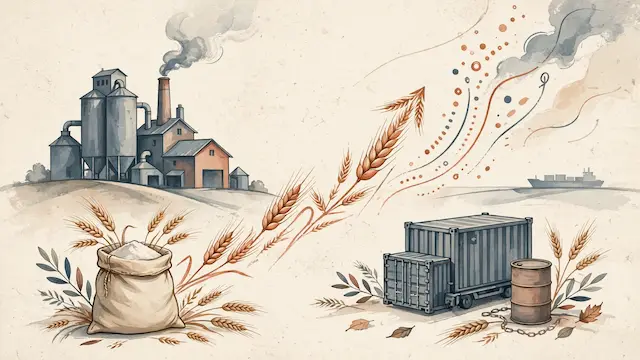
Consumers in Israel are bracing for a new wave of price increases on essential food items, particularly baked goods, as flour mills begin to notify their clients of substantial price hikes. The increases, expected to range between 10% and 15% depending on the type of flour, are slated to take effect as early as November. Bar Rav, a major flour supplier based in Tel Aviv and a key provider to companies like Assis and Bonjour, has already announced an 11% price increase effective November 1st. However, the company stated that even this rise does not fully cover the escalating costs of raw materials, transportation, and labor.
A primary driver behind these price hikes is the disruption in global wheat supplies, exacerbated by the ongoing conflict in Ukraine. Russia has become a significant source of wheat for Israel in recent years, but the intensified war and attacks on ports and ships in the Black Sea have severely impacted shipments. The article notes that this is no longer a mere possibility, as ships carrying wheat and barley destined for Israel have reportedly been damaged.
The timing and extent of price increases will vary among different flour mills, influenced by existing stock levels, the type of wheat, and contractual agreements with customers. Nevertheless, the message from manufacturers is clear: they do not intend to absorb the full cost increases themselves. While the final price adjustments for bread, cakes, and pastries have not yet been determined, the baking industry is preparing for these changes, which will ultimately be borne by consumers.