
Israel Faces Unprecedented Electricity Demand Surge by 2050
Translated & summarized from Alarab by baba
Israel's electricity consumption is projected to increase 2.7-fold by 2050, reaching 186.8 billion kWh, according to a Noga report. This surge is driven by AI server farms, electric vehicles, and climate change impacts. Delays in infrastructure development could cause price hikes and rolling blackouts.
The story in 6 lines · by baba
- Israel's electricity demand is expected to surge 2.7 times by 2050, reaching 186.8 billion kWh.
- The increase is driven by AI server farms, electric vehicles, and climate change-induced heatwaves.
- Noga, the national electricity grid operator, issued the strategic report.
- Delays in infrastructure development could lead to higher electricity prices.
- Scheduled power outages are a potential risk to prevent grid collapse during peak demand.
- Faster depletion of natural gas reserves is also a concern.
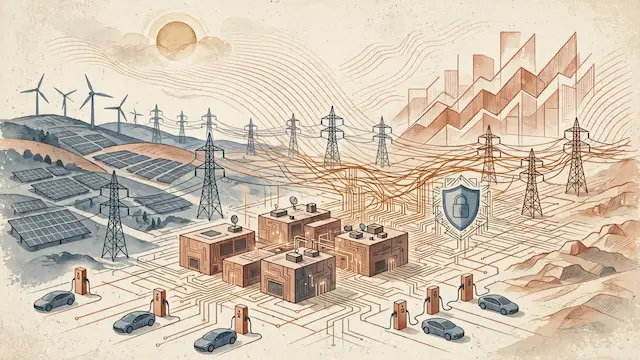
Israel, operating as an "energy island" reliant on its domestic electricity production, is confronting a significant challenge to increase its power generation capacity by 2.7 times by the year 2050. A strategic report from the national electricity grid operator, Noga, forecasts that electricity consumption will rise from the current 80.4 billion kilowatt-hours to approximately 186.8 billion kilowatt-hours under a moderate scenario.
The report attributes this sharp increase to three primary drivers: the substantial expansion of AI server farms requiring immense energy, a widespread shift towards electric vehicles, and the impacts of climate change, including severe heatwaves that boost air conditioner usage and set new summer demand records.
Noga warns that any delays in immediate planning and the construction of new infrastructure, which takes five to ten years, will inevitably lead to higher electricity prices. It also raises the risk of implementing scheduled power outages during peak demand days to prevent grid collapse, in addition to concerns about depleting natural gas reserves faster than anticipated.




