
Voter Turnout Emerges as Key Factor in Upcoming Israeli Election Results
Translated & summarized from i24NEWS by baba
Voter turnout, rather than poll numbers, is emerging as the decisive factor in the upcoming Israeli elections, influencing bloc power and party success. Higher turnout increases the votes needed to pass the electoral threshold, potentially impacting parties like Benny Gantz's bloc, which needs to boost participation in liberal cities. Benjamin Netanyahu's bloc worries about apathy in peripheral areas, highlighting the critical role of voter mobilization in determining the next government.
The story in 5 lines · by baba
- Voter turnout, not just poll numbers, will be the key determinant of Israeli election results.
- Higher voter turnout increases the number of votes needed to pass the electoral threshold.
- Benny Gantz's bloc aims to increase turnout in liberal cities like Herzliya and Ra'anana.
- Benjamin Netanyahu's bloc fears voter apathy in peripheral cities affected by the conflict.
- Mobilizing voters could be as crucial as the campaign itself in a close election.
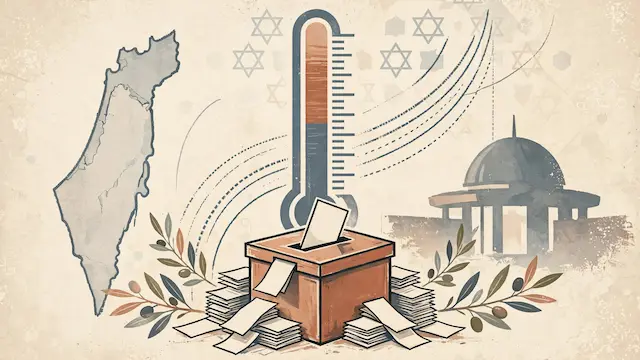
The most crucial element determining the outcome of the upcoming Israeli elections is not just poll numbers, but the percentage of citizens who actually vote. Voter turnout significantly impacts the balance of power between political blocs, the chances of smaller parties clearing the electoral threshold, and even which parties enter the Knesset. In a close election, every single vote can become exceptionally important.
In the previous election, turnout exceeded 70%. With an electoral threshold of 3.25%, one Knesset seat required over 36,000 votes, and parties needed around 150,000 votes to enter parliament. If turnout rises to 75%, the number of votes needed for a seat could approach 180,000. This means higher participation increases the vote count required for parties to pass the threshold.
For the Benny Gantz bloc, a major challenge is boosting turnout in liberal cities in the Sharon and northern regions, where participation was relatively low in 2022 in places like Herzliya, Kfar Saba, Ra'anana, Givatayim, and Ramat HaSharon. Tel Aviv and Haifa also saw below-average turnout. Mobilizing more voters in these cities could add tens of thousands of votes and alter the seat distribution.
Conversely, Benjamin Netanyahu's bloc is concerned about voter apathy in peripheral cities like Ashkelon, Ashdod, Netivot, Sderot, and Kiryat Shmona, which have been affected by the ongoing conflict. In the second round of the 2019 elections, turnout influenced the balance between Likud and the Blue and White party led by Gantz. Netanyahu faces the challenge of re-engaging voters despite potential disappointment and fatigue.
Ultimately, voter turnout is more than a statistic; it can determine who forms the next government. Parties hovering around four to six seats are particularly vulnerable if they fail to mobilize enough voters. In an election where every vote counts, the ability to get voters to the polls may be as critical as the campaign itself.
Mentioned




