
Dan Acquires Tnuufa Public Transport for $150 Million Amid Service Failures
Translated & summarized from Davar by baba
Dan is set to acquire Tnuufa, a struggling public transport company, for approximately 150 million shekels ($40 million) after Tnuufa faced years of service complaints and 80 million shekels ($21 million) in fines. The deal, pending regulatory approval, will transfer Tnuufa's routes in Samaria and the Jerusalem corridor to Dan, which will operate it as a subsidiary. This acquisition, which will expand Dan's fleet to about 3,500 buses, comes amid ongoing challenges in the Israeli public transport sector, including driver shortages and the balance between cost-efficiency and service quality.
The story in 6 lines · by baba
- Dan will acquire Tnuufa for approximately 150 million shekels ($40 million) pending regulatory approval.
- Tnuufa faced years of passenger complaints and 80 million shekels ($21 million) in fines for service failures.
- The acquisition will transfer Tnuufa's bus routes in Samaria and the Jerusalem corridor to Dan.
- If approved, Dan's fleet will grow to about 3,500 buses, expanding its market presence.
- The deal raises questions about Israel's public transport competition policy and service quality.
- Dan is expected to invest in Tnuufa's fleet and address driver shortages and service reliability.
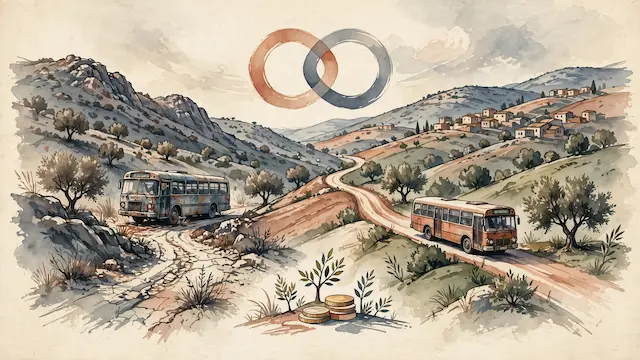
Shareholders of the public transport company Tnuufa approved its sale to Dan for approximately 150 million shekels ($40 million). The deal, pending approval from the Ministry of Transport and the Competition Authority, will transfer Tnuufa's bus routes in the Samaria and Jerusalem corridor regions, including Beit Shemesh, to Dan. Tnuufa is expected to continue operating as a subsidiary of Dan, similar to Dan's existing southern operations. This sale follows years of passenger complaints about Tnuufa's service and cumulative fines of about 80 million shekels ($21 million) imposed by the Ministry of Transport for failing to meet operational standards. According to the ministry's semi-annual report, Tnuufa received the lowest score among Israeli public transport operators in the second half of 2025. Passengers in Samaria and the Jerusalem area have reported prolonged delays, unannounced cancellations, driver shortages, and frequent bus malfunctions. The company's operational difficulties and the necessary investments to restore its fleet have impacted its valuation. Tnuufa operates about 350 buses, and Dan is expected to acquire at least 100 new buses as part of the deal, partly to replace Chinese-made vehicles that have experienced issues. Dan is reportedly seeking an extension of Tnuufa's concessions to justify the required service improvements. If the acquisition is completed, Dan's bus fleet will grow to approximately 3,500 vehicles, significantly expanding its presence in the public transport market. The Ariel municipality welcomed the move after a prolonged campaign by its mayor and other Samaria regional leaders for improved service. However, the change in ownership alone does not guarantee solutions to driver shortages, bus malfunctions, or schedule adherence issues. The acquisition raises broader questions about the structure of Israel's bus market, which has seen the Ministry of Transport aim to reduce the dominance of established companies like Egged and Dan and encourage new entrants since the early 2000s. This policy aimed to decentralize operations, improve efficiency, and lower costs, but has faced criticism regarding the balance between state payments and service quality. The Tnuufa crisis highlights the challenges of managing an operator that fails to meet service requirements, even after substantial fines. However, Dan's acquisition of Tnuufa is not necessarily a retreat from competition policy, but rather a transfer of ownership of an existing operator, not an abolition of the tender system or a return of all routes to older companies. The key test will be in implementation, with Dan needing to rehabilitate the bus fleet, address driver shortages, and improve service reliability for residents. The Ministry of Transport must also ensure that the expansion of a major operator does not harm competition and that oversight prevents similar crises.
Mentioned
The same event, reported separately by each outlet. Open a few to compare what different newsrooms emphasize — and what they leave out.
Left 1Centre 2


Not the same event — other stories that share this one’s people, places, or theme: background, reactions, and follow-ups.



