
Israel Approves New Community Settlement Near Egyptian Border
Translated & summarized from Kipa by baba
The acting director of the Israel Land Authority, Yehuda Eliyahu, has overseen the official recognition and development of the Azuz settlement near the Egyptian border. The settlement, established in the early 1980s, will be transformed into a community settlement with regulated residential and tourism areas, and an archaeological park. This move aims to strengthen local tourism and businesses and contribute to the development of the Negev region.
The story in 5 lines · by baba
- The Azuz settlement near the Egyptian border has been officially recognized and approved for development.
- Yehuda Eliyahu, acting director of the Israel Land Authority, led the initiative after his appointment was confirmed.
- The plan includes regulated residential and tourism areas, and an archaeological park by the Israel Antiquities Authority.
- Azuz was originally founded in 1983 and has evolved into a settlement with unique informal tourism and business activities.
- The development aims to strengthen tourism, create jobs, and boost the Negev region's economy.
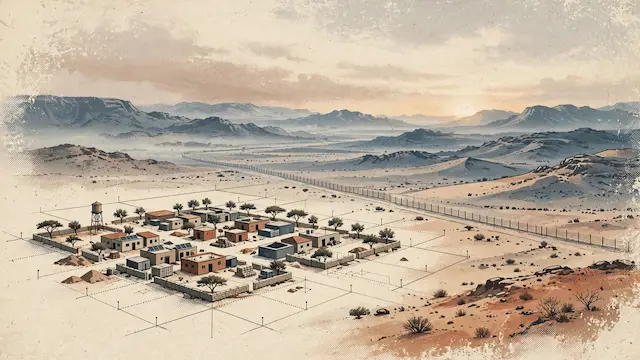
Following the Supreme Court's approval of his extended appointment, Yehuda Eliyahu, the acting director of the Israel Land Authority, has led the administration to officially recognize and develop the settlement of Azuz. Located near the Egyptian border in the Ramat Negev Regional Council, Azuz was established in the early 1980s and is situated approximately 12 kilometers south of Nitzana and 3 kilometers east of the Egyptian border. Currently, 18 families reside in Azuz, having been accepted through the Jewish Agency. The settlement has developed a unique, informal character through tourism complexes and supporting businesses initiated by residents.
Eliyahu stated that the planning regulation for Azuz was tailored to its unique characteristics and needs, differentiating it from other community settlements. Azuz was originally founded in 1983 as a "watchpoint for Ra'aya" by government decision and was initially populated by five families. Over time, it evolved into a de facto community settlement with distinctive features.
The approved plan includes the establishment of an archaeological park by the Israel Antiquities Authority, the regulation of residential and tourist accommodation areas, plots for families, tourism, and supporting businesses such as workshops, cafes, restaurants, and galleries. The plan also encompasses the creation of an archaeological park in open areas, coordinated with the Israel Antiquities Authority.
Eliyahu welcomed the decision, calling it a significant step that addresses the existing reality and lays the groundwork for Azuz's future development. He emphasized that the Israel Land Authority is working to promote planning that will regulate the current situation, meet residents' needs, and realize the area's tourism and economic potential. This initiative, he added, will strengthen local tourism and business, encourage job creation, and establish Azuz as a settlement contributing significantly to the development of the Negev.
Mentioned


