
Israel's Metro Project Causes Decade-Long Disruptions Before 2037 Launch
Translated & summarized from Bizportal by baba
Israel's ambitious metro project, slated to launch in 2037, is already causing significant disruptions across the Gush Dan region due to extensive preparatory work. The transportation authority is relocating underground infrastructure, leading to fenced-off areas and traffic changes that could last for years. The project involves 109 stations over 150 kilometers and is estimated to cost up to 200 billion shekels, with provisions for business assistance during the prolonged construction period.
The story in 6 lines · by baba
- Israel's metro system is scheduled to open in 2037, but preparatory work is causing disruptions now.
- NTA is relocating underground infrastructure, leading to long-term fenced-off areas and traffic changes.
- The project spans 150 kilometers with 109 stations across 24 local authorities.
- The estimated cost of the metro project ranges from 150 to 200 billion shekels.
- A NIS 500 million fund is available to assist businesses impacted by the construction.
- Tunnel excavation is planned to begin around 2030, with heavy construction starting in about four years.
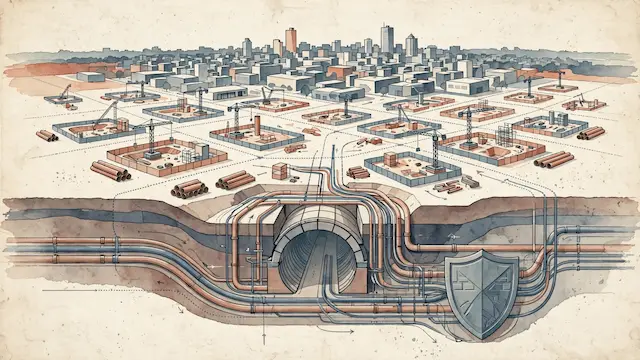
Residents in Israel's Gush Dan region are already experiencing the impact of the planned metro system, with fences and construction sites becoming a common sight years before the trains are set to begin operating in 2037. The transportation authority, NTA, is proactively preparing the ground for tunnels and stations, often maintaining control of areas even after initial preparation work is complete. This means streets can remain cordoned off with traffic changes for extended periods, potentially lasting a decade.
One significant undertaking involves relocating a drainage channel in Yarkon Park, a project expected to take two and a half years and cost tens of millions of shekels. Even after completion, the area will likely remain fenced off to facilitate subsequent construction phases, as NTA prefers to retain continuous access rather than returning the land to the public only to reclaim it later for tunneling.
Currently, around 30 NTA work sites are active across the metropolitan area, a number expected to approach 70 by next year. These operations span all three planned lines (M1, M2, and M3), although tunnel excavation is not slated to commence until around 2030. The scope of work already underway has surpassed one billion shekels.
The early commencement of these preparatory works, years before heavy tunneling machinery arrives, is attributed to the need to clear and relocate underground infrastructure such as sewage pipes, drainage lines, and electrical and communication cables. Lessons learned from the light rail project, which faced significant delays due to unforeseen underground obstacles and bureaucratic hurdles, have prompted NTA to separate site preparation from the main tunneling operations. This approach aims to allow future contractors to begin their work with fewer disruptions.
The project, estimated to cost between 150 to 200 billion shekels, will span approximately 150 kilometers with 109 stations across 24 local authorities, serving an estimated three million residents. The law governing the metro project includes a NIS 500 million assistance fund for businesses negatively impacted by the construction, with specific criteria for eligibility based on proximity to work sites, customer traffic, and annual revenue. The law also addresses noise levels and mandates that streets be restored to at least the prevailing local development standards after construction is completed.
Mentioned
The same event, reported separately by each outlet. Open a few to compare what different newsrooms emphasize — and what they leave out.
Other 2

Not the same event — other stories that share this one’s people, places, or theme: background, reactions, and follow-ups.



