
Saudi Arabia Needs Israeli Air Defense, But Israel Is Hesitant
Translated & summarized from Ynet by baba
Former President Donald Trump believes Saudi Arabia's vulnerability to Houthi attacks may revive normalization talks with Israel, suggesting Israel has already provided military intelligence. Saudi Arabia needs advanced air defense systems, which Israel is hesitant to supply without significant reciprocal concessions, unlike previous aid to the UAE. European countries have recently bolstered Saudi air defenses, potentially reducing immediate reliance on Israel, though normalization remains contingent on Palestinian issue resolution.
The story in 5 lines · by baba
- Donald Trump suggested normalization between Israel and Saudi Arabia could be revived due to Houthi attacks.
- Saudi Arabia requires advanced air defense systems like Iron Dome and David's Sling from Israel.
- Israel is hesitant to provide advanced air defense systems without significant concessions from Saudi Arabia.
- Saudi Arabia continues to condition normalization on Israeli negotiations with the Palestinians for a two-state solution.
- European nations have recently deployed air defense systems to Saudi Arabia.
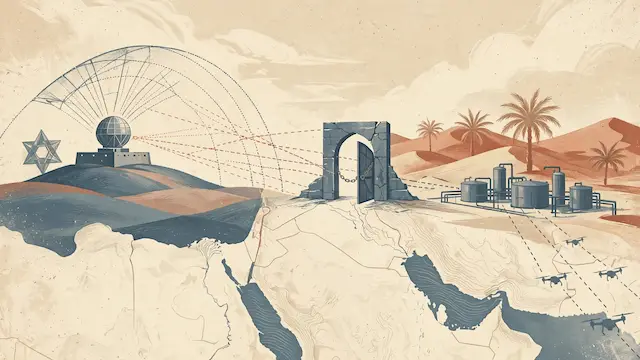
Former President Donald Trump suggested that normalization between Israel and Saudi Arabia could be back on the table, attributing this possibility to Saudi Arabia's distress over Houthi attacks. Trump indicated that Israel has already provided assistance to Saudi Arabia against the Houthis and that Saudi Arabia is pleased with this support and that of the US. However, the article suggests Trump's remarks were coincidental and not based on significant developments, estimating that the current Saudi vulnerability to Houthi threats creates an opportunity for increased Israeli aid, potentially leading to Saudi gratitude and a willingness to forgo their condition for normalization: negotiations with the Palestinians for a two-state solution.
Saudi Arabia requires advanced air defense systems, such as Iron Dome, David's Sling, and Arrow 2, to counter ballistic missiles, cruise missiles, and drones used by the Houthis. These defenses are particularly needed for key airports in Riyadh and Dhahran, and energy facilities along the Red Sea coast. Israel, however, is not rushing to provide these systems. It is likely that Israel would only consider such a request if Crown Prince Mohammed bin Salman offered something of significant value in return, justifying the diversion of systems Israel itself needs.
Israel has reasons to assist Saudi Arabia, including a US request and a desire to prevent American concessions to Iran, potentially influenced by Saudi pressure following Houthi attacks. A further Israeli interest is to make the Saudis indebted, thereby reviving the normalization process disrupted by the October 7th Hamas attack. While Israel has previously supplied air defense systems to the UAE, a signatory to the Abraham Accords with diplomatic ties and assistance regarding Gaza, Saudi Arabia still insists on negotiations with the Palestinian Authority for a two-state solution.
European nations, including Greece and France, have recently deployed air defense systems to Saudi Arabia. It remains unclear if this European assistance will satisfy Saudi Arabia. If not, they might turn to Israel. However, Trump's vision of renewed normalization due to Houthi attacks appears premature at this stage.
Mentioned




