
Iran Rebuilding Missile Factories Despite Strikes, Intelligence Suggests
Translated & summarized from 0404 by baba
New intelligence suggests Iran has significantly rebuilt its missile and drone production facilities despite recent airstrikes by Israel and the U.S. Russia is reportedly supplying Iran with weapons, aiding its recovery and potentially enabling it to quickly replenish its arsenal. While the U.S. administration claims success from the strikes, the reported restoration raises questions about their long-term impact. The situation highlights ongoing tensions, including threats to shipping in the Strait of Hormuz and stalled nuclear negotiations, indicating the conflict with Iran is far from over.
The story in 6 lines · by baba
- Iran has reportedly restored significant missile and drone production capacity despite U.S. and Israeli strikes.
- Russia is allegedly supplying Iran with weapons, aiding its military recovery and arsenal replenishment.
- New assessments challenge previous claims of strategic success from U.S. and Israeli military actions.
- The Pentagon has considered plans for a multi-day military operation against Iranian targets.
- Iran continues to exert pressure on shipping in the Strait of Hormuz, threatening wider conflict.
- Nuclear negotiations remain stalled, with Iran insisting on its right to enrich uranium.
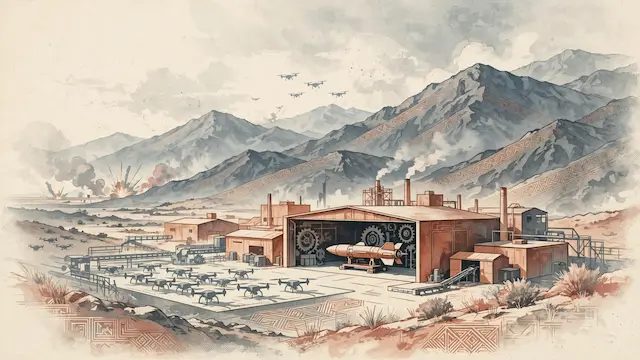
New assessments indicate that Iran has significantly restored its missile and drone production facilities, despite months of airstrikes by Israel and the United States. These developments raise questions about the effectiveness of the military actions, which were previously hailed by U.S. officials as a major strategic success. The reports suggest Iran retains substantial manufacturing capabilities, potentially allowing for a rapid replenishment of its weapon stockpiles.
Efforts by Iran's Revolutionary Guard Corps to restore production lines and ensure the continued supply of missiles and unmanned systems are ongoing. A concerning aspect of these assessments is Russia's alleged involvement in aiding Iran's military recovery. Moscow is reportedly supplying Tehran with weaponry, helping it to offset losses and maintain a significant deterrent capability. This cooperation, while not new, has gained particular strategic importance, prompting a need for close intelligence monitoring by Israel, especially regarding the potential for further development of ballistic missiles threatening Israel and its regional allies.
The White House continues to characterize the strikes against Iran as a military achievement, with President Trump and his administration claiming significant damage to Iran's missile systems, production infrastructure, and military capabilities. However, the reported restoration of factories casts doubt on Iran's ability to recover and prepare for further conflict. The Pentagon has reportedly considered plans for a targeted, intense military operation against Iran lasting approximately three days, with potential targets including missile factories, drone facilities, and command centers. No final decision has been made, and President Trump is weighing the military and political consequences, while also signaling a desire to avoid broad escalation before the upcoming U.S. midterm elections in November.
Concurrently, Iran's Revolutionary Guard continues to exert pressure on shipping in the Strait of Hormuz, with reports of at least ten vessels being affected in the past week. Tehran has threatened to extend its actions beyond the strait, raising fears of a wider naval conflict impacting international trade. The strategic importance of the Strait of Hormuz as a global energy transit route means any prolonged disruption could affect oil prices and the global economy. Iran is using the strait's location as leverage against Washington, which disputes Iran's claims of full control over the waterway.
Amidst the military tensions, indirect negotiations between Iran and the United States continue through intermediaries. Iran's Foreign Minister has indicated that Tehran is reviewing U.S. positions and expects to provide a response soon, though significant gaps remain, particularly concerning the nuclear program, economic sanctions, and freedom of navigation in the Gulf. Tehran insists on its right to enrich uranium and refuses to relinquish existing stockpiles, a stance that complicates efforts to reach an agreement that would prevent Iran from developing nuclear weapons. The situation underscores the complexity of dealing with the Iranian regime, as the potential for rearmament persists, especially with foreign assistance and continued investment in its defense industry. For Israel's government, preventing Iran from obtaining nuclear weapons and limiting its military capabilities remain central national security objectives.
Mentioned
The same event, reported separately by each outlet. Open a few to compare what different newsrooms emphasize — and what they leave out.
Centre 3Right 2Haredi 1Other 1







Not the same event — other stories that share this one’s people, places, or theme: background, reactions, and follow-ups.