IDF Overhauls Observation Corps Three Years After October 7 Failures
Translated & summarized from Srugim by baba
The IDF is significantly overhauling its observation corps three years after the October 7th attacks, introducing advanced technology, improved operational capabilities, and enhanced self-defense training for observers. Command posts are being relocated and fortified, and a new intelligence agency is being formed to better integrate information. Senior military officials have admitted to "total failure" in handling pre-attack warnings, prompting these comprehensive reforms aimed at preventing future lapses.
The story in 6 lines · by baba
- The IDF is implementing major changes to its observation corps following the October 7th attacks.
- New technologies and an advanced "spotter-shooter" system will enhance observer capabilities.
- Observers will receive self-defense training, including weapons handling and hand-to-hand combat.
- Command posts are being moved from the border and efforts are underway to improve their fortification.
- A new intelligence agency will consolidate information from observers and ground troops.
- Military officials have acknowledged "total failure" in responding to pre-attack warnings.
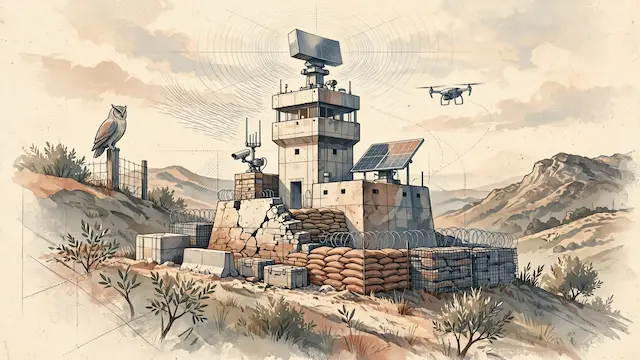
Three years after the October 7th attacks, the Israel Defense Forces (IDF) is implementing significant changes to its observation corps to enhance defense, intelligence gathering, and support for ground forces. These updates, reported by Carmela Menashe on Kan Radio, aim to address critical failures identified during the Hamas assault.
A key focus is on improving the operational capabilities of observers. The IDF is developing an advanced version of the "spotter-shooter" system and introducing new technologies that will enable observers not only to detect threats but also to assist active ground forces. Furthermore, observers will receive self-defense training, including weapons handling, marksmanship, and hand-to-hand combat, a direct response to the attacks on bases and command posts near the border.
Command posts (Hamas) are also being relocated further from the border, with new protocols established for emergency situations. However, the fortification of these posts remains incomplete, with some still lacking adequate protection. The IDF plans to either fully fortify all facilities or move them to safer locations. In the Gaza sector, observer deployment has been altered, removing them from the front lines as isolated units, and the required number of observers and their integration into border defense are under review.
Senior military officials have acknowledged the severe shortcomings, admitting that warnings from observers about unusual activity before and on the morning of October 7th were not adequately addressed. "There is no doubt we erred. It was a total failure," a senior military source stated. A new intelligence collection agency is being established to consolidate information from observers and ground troops, improving cooperation with the Intelligence Directorate.
This restructuring aims to address the failure to connect disparate pieces of intelligence into a unified situational picture. The collection field is being rebuilt as an integrated profession, encompassing observers, intelligence for maneuvering forces, and border defense. A new technological system is also being introduced to enhance the processing of field intelligence. Additionally, a "Big Sister" program pairs future recruits with veteran observers before their service begins to familiarize them with the role and its challenges. These changes are in various stages of implementation as the IDF continues to assess the corps' structure and operations based on wartime lessons.
The same event, reported separately by each outlet. Open a few to compare what different newsrooms emphasize — and what they leave out.
Centre 1Right 2



Not the same event — other stories that share this one’s people, places, or theme: background, reactions, and follow-ups.