Israel Enhances Observation Corps Post-October 7th Failures
Translated & summarized from Kan News by baba
Israel's observation corps is implementing significant changes three years after the October 7th attacks, including technological upgrades and self-defense training for observers. The IDF is developing new systems to better assist ground forces and has established new protocols and improved intelligence integration. These reforms aim to address failures where observer warnings were not heeded, with a senior military official calling it a "total failure." The changes also involve relocating command centers and reassessing force structures, particularly in the Gaza sector.
The story in 5 lines · by baba
- IDF observers will receive enhanced technological tools and self-defense training, including weapons and combat skills.
- New protocols and relocated command centers aim to improve response during attacks.
- A senior military official admitted to "total failure" in heeding observer warnings before October 7th.
- The IDF is creating a new intelligence agency to better integrate information from various sources.
- Observer posts are being reassessed, especially in the Gaza sector, moving away from isolated front-line positions.
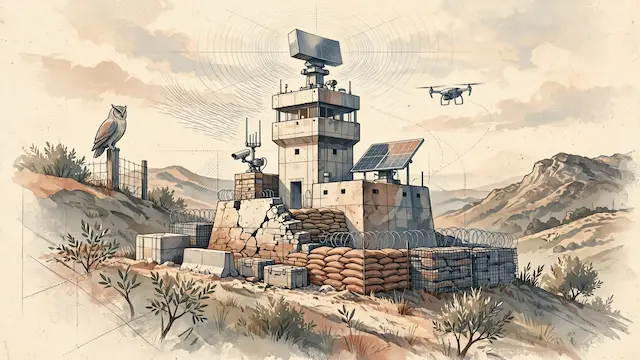
Three years after the October 7th failures, Israel's observation corps is undergoing significant changes, including technological upgrades and enhanced self-defense training for its personnel. The Israel Defense Forces (IDF) are developing advanced technological tools to enable observers to better assist ground forces, building on the "seer-shooter" system and improving command centers and equipment. Observers will also receive new training in self-defense, including weapons proficiency, live-fire exercises, and hand-to-hand combat. New protocols for operating during attacks have been established, and some command centers have been relocated away from the border. However, the process is incomplete, with some command centers still lacking protection, and the IDF aims to either fortify all of them or move them.
These changes are part of broader lessons learned by the Border Defense Corps following the war, during which observers had issued warnings before and on the day of the Hamas attack, but their alerts were not heeded. A senior military official acknowledged, "There is no doubt we erred. It was a total failure." The IDF is establishing an intelligence agency to consolidate information from combat soldiers and observers, improving collaboration with military intelligence (Aman). A security official noted that a key failure involved the connection, processing, and integration of information between different bodies.
The intelligence collection field is being rebuilt as a unified profession, encompassing collection for maneuvering forces, the observation corps, and border defense. The recruitment process is also evolving, with new recruits connecting with veteran observers through the "Big Sister" program. In the Gaza sector, observers are no longer stationed on the front lines as an isolated unit, and the IDF is reassessing its force structure and size. Concurrently, the intelligence collection system is transitioning to a new technological platform designed to enhance the processing of field data.
The same event, reported separately by each outlet. Open a few to compare what different newsrooms emphasize — and what they leave out.
Centre 1Right 2



Not the same event — other stories that share this one’s people, places, or theme: background, reactions, and follow-ups.