Three Years On, War's Mental and Physical Toll on Israelis Revealed
Translated & summarized from Israel Hayom by baba
The story in 5 lines · by baba
- War's third year saw a 121.3% rise in youth psychiatric ER visits.
- Displaced southerners have six times higher PTSD rates than pre-war.
- Mental distress impacts physical health, increasing blood pressure and cholesterol.
- Anxiety diagnoses rose 45.5% nationwide in the first war year.
- Remote medicine use increased 50% in evacuated areas.
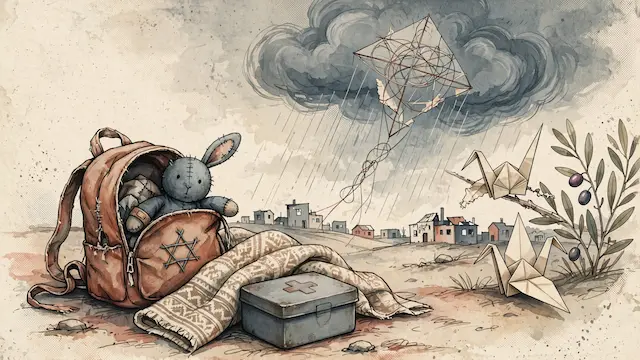
Three years after the October 7th attacks, a comprehensive study by Clalit Health Services reveals the profound and lasting impact of the ongoing conflict on Israelis' health, particularly mental well-being. The report, analyzing data from approximately 5 million insured individuals, highlights a significant increase in psychiatric emergencies among children and adolescents, and elevated rates of post-traumatic stress disorder among residents displaced from southern Israel. Mental health issues have surged, with a 121.3% rise in psychiatric emergency room visits for youth in the third year of the war. Displaced individuals from the south are experiencing PTSD at six times the pre-war rate. The war has also affected physical health, with a 53.7% increase in unbalanced blood pressure among southern evacuees and a nearly 60% rise in diagnoses of high cholesterol and blood fats among those evacuated from the north. Across the general population, new anxiety diagnoses jumped by 45.5% in the first year, and PTSD diagnoses doubled. Pediatric referrals to mental health services increased by over 50%, and a 47.8% surge in prescriptions for nighttime enuresis treatment was seen among displaced children in the south. Attention deficit hyperactivity disorder (ADHD) medication use also rose by 25% nationwide.
Dr. Yarden Levinsky, Director of Mental Health Services at Clalit, stated that the data demonstrates how mental distress impacts physical health and daily functioning, making recovery difficult even three years later. The prolonged displacement has also had physical health consequences. While PTSD rates remain high among the displaced, unbalanced blood pressure increased by 53.7% compared to a 2.5% rise in the general population. In the north, high cholesterol and blood fat diagnoses rose by approximately 60%, alongside a 7.5% decrease in mammography screenings for displaced women. Smoking cessation medication use increased by 104% in the south. Dr. Avital Margalit, Director of the Galilee Administration, attributed these physical health declines to reduced physical activity, emotional eating, and lack of routine in temporary housing, impacting metabolic balance. However, she noted that the shift to remote medicine, including phone consultations and digital advice, increased by 50% in evacuated areas, helping maintain treatment continuity.
Despite these challenges, data indicates stability in cardiovascular health, with no increase in acute heart events or strokes. General emergency room visits decreased by about 5% and urgent hospitalizations by 10%. Clalit CEO Prof. Eitan Wertheim warned that the ongoing health challenges require long-term national attention, as untreated chronic conditions could lead to a future national health crisis. Dr.
Mentioned
The same event, reported separately by each outlet. Open a few to compare what different newsrooms emphasize — and what they leave out.
Left 1Centre 5Right 1Haredi 1Arab 1Other 4














Not the same event — other stories that share this one’s people, places, or theme: background, reactions, and follow-ups.