War's Toll: Mental Health Crisis Deepens for Israeli Children
Translated & summarized from Maariv by baba
The story in 5 lines · by baba
- Children's psychiatric ER visits surged 121% three years into the war.
- PTSD and anxiety diagnoses rose significantly, especially for evacuees.
- Displaced populations saw increased rates of high blood pressure and cholesterol.
- Preventive screenings declined among evacuated populations.
- The war's health impacts are cumulative and require long-term solutions.
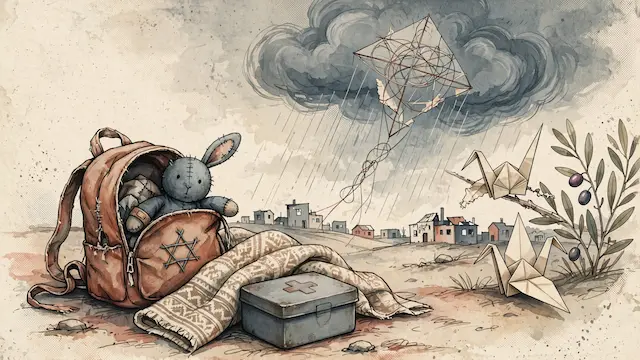
A new report from Clalit, Israel's largest healthcare organization, reveals the profound and lasting health impacts of three years of war, with a significant surge in psychiatric emergency room visits among children and adolescents. The report, based on data from approximately 5 million members, indicates a 121.3% increase in psychiatric ER visits for children and teens by the third year of the conflict, compared to pre-war levels. This rise is accompanied by a 52.1% increase in referrals from pediatricians to mental health services and a 40%-70% rise in anxiety diagnoses among children nationwide.
The study highlights that the war's effects extend beyond immediate trauma, creating cumulative health consequences. Mental health services have seen a substantial increase in demand, with new post-traumatic stress disorder (PTSD) diagnoses rising sharply, particularly among residents displaced from southern Israel. In the first year of the war, PTSD diagnoses among these evacuees were 18 times higher than the previous year, remaining six times higher by the third year. Anxiety diagnoses also surged tenfold among southern evacuees, with mental health service visits doubling to 4.5 times higher.
Beyond mental health, the report notes physical health impacts, especially among displaced populations. Evacuees from southern Israel experienced a 30%-53.7% increase in uncontrolled high blood pressure over the three years. New diagnoses of hyperlipidemia, or high cholesterol, rose by about 20% overall, and approximately 60% among northern evacuees. However, for patients already diagnosed with these conditions, there was an improvement in management, possibly due to continuous medical contact through temporary and digital services.
Preventive medicine also suffered, with a decrease in screening tests like mammograms and colon cancer screenings among displaced women and residents of southern and northern Israel. Conversely, there was a significant increase in the use of smoking cessation medications among southern evacuees. While overall ER visits and hospitalizations decreased, likely due to increased use of telemedicine and improved community care, the mental health crisis among youth remains a critical concern.
Clalit emphasizes that the war leaves a lasting health imprint on Israeli society, affecting mental well-being, children, evacuated families, and chronic disease management. The organization calls for a significant expansion of mental health professionals, early intervention programs, and tailored treatment frameworks to address the ongoing distress and prevent it from becoming a long-term public health crisis.
Mentioned
The same event, reported separately by each outlet. Open a few to compare what different newsrooms emphasize — and what they leave out.







Not the same event — other stories that share this one’s people, places, or theme: background, reactions, and follow-ups.