
Israel to Lower Fuel Prices by Half a Shekel Per Liter
Translated & summarized from Israel Hayom by baba
The story in 5 lines · by baba
- Fuel prices in Israel will drop by NIS 0.50 per liter Sunday night.
- The reduction is due to a decrease in excise tax on fuel.
- The new price per liter will be NIS 7.77.
- The decision aims to counter rising global fuel costs.
- Prime Minister and Finance Minister announced the change.
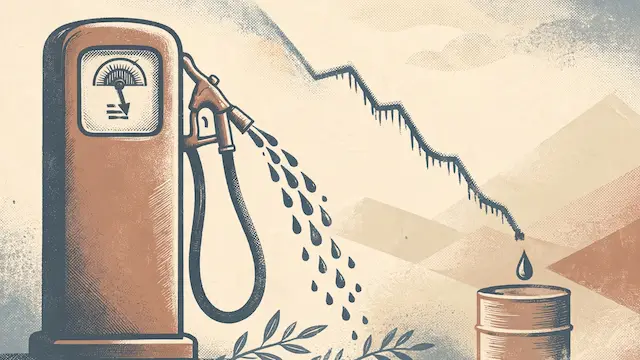
The price of fuel in Israel will decrease by half a shekel per liter starting Sunday night. Prime Minister Benjamin Netanyahu and Finance Minister Bezalel Smotrich agreed to reduce the excise tax on fuel, with the order signed by the Finance Minister taking effect at midnight. This move comes as fuel prices have reached a four-year high globally. The new price for a liter of gasoline will be NIS 7.77, down from the current NIS 8.27.
In a joint statement, Netanyahu and Smotrich indicated the decision was made in response to rising global fuel costs. "While fuel prices are soaring worldwide, we are ensuring they do not skyrocket in Israel," they stated. The reduction follows a significant price hike at the beginning of October, when a liter of 95-octane gasoline increased by 52 agorot to NIS 8.27, the highest price recorded in Israel. This earlier increase was attributed to rising global energy prices and a strengthening dollar.
According to previous assessments by the Finance Ministry, without intervention, the price could have approached NIS 9 per liter in November. The current excise tax reduction will effectively erase almost all of the early October increase, with the price settling at NIS 7.77, just two agorot higher than before the recent hike.
Netanyahu and Smotrich also commented on electricity prices in Israel, asserting they are among the lowest in the West due to natural gas field development and the opening of electricity production to competition. "Israel's economy is breaking records. We will continue to navigate it responsibly," the statement concluded.
The same event, reported separately by each outlet. Open a few to compare what different newsrooms emphasize — and what they leave out.





































Not the same event — other stories that share this one’s people, places, or theme: background, reactions, and follow-ups.