
Israel Cuts Fuel Tax Again Amid Global Price Surge
Translated & summarized from Al-Shams by baba
The story in 5 lines · by baba
- Finance Minister Smotrich approved a one-month gasoline tax cut.
- The price will be 7.77 shekels per liter until early November.
- The reduction aims to offset rising global fuel prices and dollar exchange rates.
- The tax cut is estimated to cost the treasury 150 million shekels.
- This is the second tax reduction in recent months.
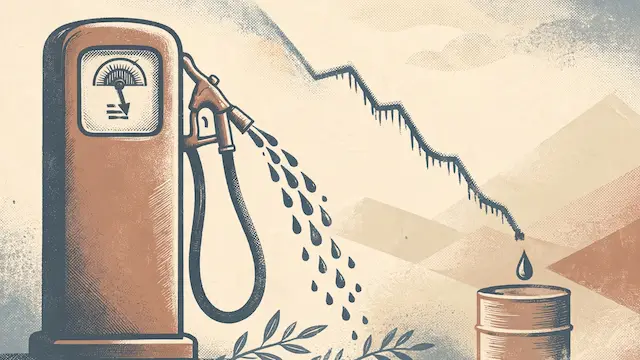
Israel's Finance Minister Smotrich has approved a further reduction in gasoline prices, a move estimated to cost the state treasury approximately 150 million shekels. This decision follows a legal review by the Finance Ministry's legal advisor, who found no legal impediment to Smotrich signing the order, despite professional staff concerns over the cost and lack of clear funding. The tax cut will remain in effect for one month.
This latest reduction comes after gasoline prices reached a record high of 8.27 shekels per liter in early October. The increase was attributed by the Ministry of Energy to a roughly 13% rise in global gasoline prices and a 3% increase in the dollar's exchange rate. Smotrich had previously sought to deepen a tax cut in late September, after an initial reduction of 50 agorot per liter in early September had lowered the price from 8.25 to 7.75 shekels.
The legal advisor to the Finance Ministry deemed the intervention necessary due to the rising fuel costs, even though it occurred during an election period where non-essential government decisions are typically restricted. The judicial advisor had also previously approved a tax cut in September, despite the sensitive timing.
Following the new tax reduction, the price of gasoline will be 7.77 shekels per liter until the next price update at the beginning of November. At that time, prices will be recalculated based on global fuel costs, the dollar exchange rate, and whether the tax reduction will be extended.
Read the original at Al-ShamsThe same event, reported separately by each outlet. Open a few to compare what different newsrooms emphasize — and what they leave out.






Not the same event — other stories that share this one’s people, places, or theme: background, reactions, and follow-ups.

