
Israel Cuts Fuel Tax, Reducing Price by Half a Shekel Per Liter
Translated & summarized from Kan News by baba
The story in 5 lines · by baba
- Fuel prices in Israel will drop by 0.50 shekels per liter starting Sunday night.
- The reduction follows an order signed by Finance Minister Bezalel Smotrich.
- The new maximum price for a liter of 95-octane gasoline is 7.77 shekels.
- The move is expected to cost the state 150 million shekels in tax revenue.
- The Attorney General found no legal impediments to the price reduction.
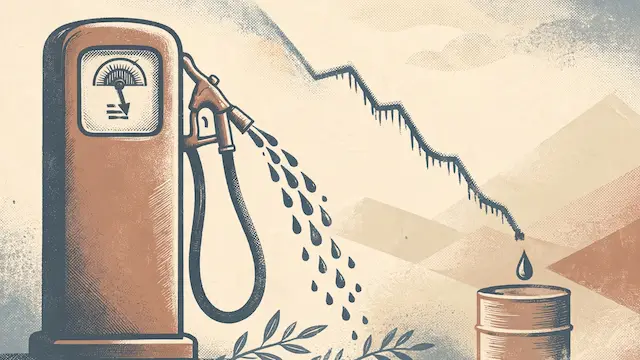
Effective Sunday night, the price of gasoline in Israel will decrease by half a shekel per liter, following an order signed by Finance Minister Bezalel Smotrich. This reduction will bring the maximum price for a liter of 95-octane unleaded gasoline to 7.77 shekels, down from 8.27 shekels. The move represents a voluntary reduction of half a shekel in tax by the Finance Minister, resulting in an estimated loss of 150 million shekels in tax revenue. This decision was made despite warnings from professional staff within the Ministry of Finance regarding potential budget shortfalls.
Last week, fuel prices had reached an all-time high. The new price cap of 7.77 shekels per liter for self-service stations includes VAT. An additional charge of 26 agorot per liter (including VAT) will apply for full-service stations, unchanged from previous rates.
The Fuel and Gas Administration noted that the recent price increase was due to global energy market developments. The expected price also incorporates a 50 agorot per liter reduction in excise tax, implemented under an order valid until the end of October 2026.
On Thursday, Attorney General Gali Baharav-Miara and the legal counsel of the Ministry of Finance confirmed there were no legal obstacles to implementing the Finance Minister's plan, even with the upcoming elections. The price reduction is slated to take effect at the beginning of the following week.
The same event, reported separately by each outlet. Open a few to compare what different newsrooms emphasize — and what they leave out.





































Not the same event — other stories that share this one’s people, places, or theme: background, reactions, and follow-ups.