
Electric Vehicle Sales Plunge in Israel, Costing Billions
Translated & summarized from Globes by baba
New electric vehicle sales in Israel have fallen sharply, with projections showing an 11% penetration rate by early 2026, down from 25% in early 2024. This decline is expected to cost the Israeli economy billions of shekels and is attributed to challenges with charging infrastructure in shared buildings and fleet purchasing habits.
The story in 6 lines · by baba
- EV adoption in Israel has dropped significantly, reaching 11% by early 2026.
- The sales decline is projected to cost the economy billions of shekels.
- Difficulty installing chargers in shared buildings is a major obstacle.
- Leasing companies and corporations are not fully prioritizing EV savings.
- The Ministry of Energy recommends tax incentives and infrastructure support.
- Fines for manufacturers failing to meet targets are also suggested.
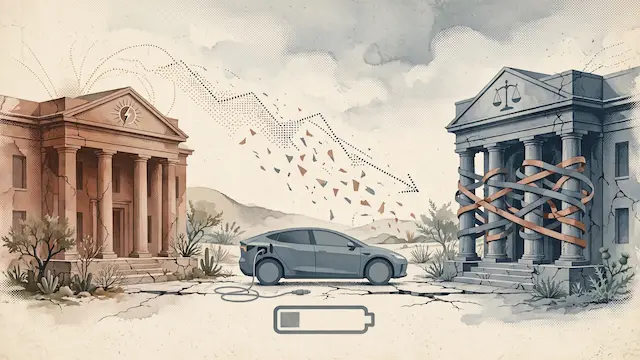
The penetration rate of new electric vehicles (EVs) in Israel has significantly dropped, falling from 25% in early 2024 to an estimated 20% in 2025 and a mere 11% by early 2026. This decline is detailed in a new policy document released by the Ministry of Energy and Infrastructure in cooperation with ISCON for public review, highlighting an unusual trend compared to global patterns.
According to the ministry's calculations, each EV replacing a gasoline car saves the economy approximately NIS 24,700 annually in environmental pollution, energy, and maintenance costs. For private consumers, the savings over the vehicle's lifespan are estimated at NIS 70,000. The document projects that the slowdown in adoption will cost the economy about NIS 1.4 billion in 2026 alone compared to original targets, with this figure potentially exceeding NIS 5 billion by 2030.
The primary obstacle identified by the researchers is the difficulty in installing charging stations in shared residential buildings, where about 80% of Israeli households reside. Another significant factor is that a considerable portion of new EVs are purchased by leasing companies and corporations, which often do not fully prioritize the savings associated with electric vehicles.
The document recommends that the government establish long-term tax incentives tied to meeting adoption targets. These could include delaying tax increases and offering tax benefits for EVs, providing direct assistance to building committees for installing charging infrastructure, and developing targeted solutions to encourage leasing companies and vehicle fleets to purchase EVs.
The Ministry of Energy also suggests exploring measures similar to those in the UK, where car manufacturers face fines if they fail to meet their electric vehicle sales targets.
The same event, reported separately by each outlet. Open a few to compare what different newsrooms emphasize — and what they leave out.
Centre 4Other 1





Not the same event — other stories that share this one’s people, places, or theme: background, reactions, and follow-ups.
