Full coverage· Economy· Updated
Israelis Flock to Shops on Election Day, Boosting Spending
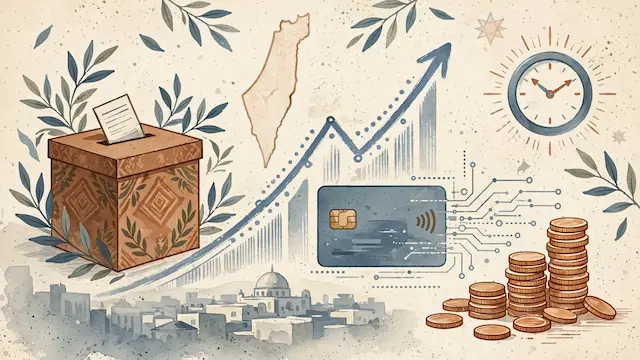
Israeli consumer spending surged on election day, Tuesday, October 27, 2026, as citizens utilized their day off to shop and dine out. According to data from Shva, the national payment systems operator, Israelis spent 250.78 million shekels using payment cards between 8:00 AM and 11:00 AM. This represents a 26.5% increase compared to the same hours during the November 2022 Knesset elections, and a 10.6% rise from the municipal elections held on January 30, 2024.
4 newsrooms · 3 languages · since



What happened
- 01Israeli consumer spending on payment cards reached 250.78 million shekels between 8:00 AM and 11:00 AM on election day, Tuesday, October 27, 2026.
- 02By 2:00 PM, total debit card spending surged to over 731.33 million shekels, a 37.5% increase compared to the 2022 Knesset elections.
- 03The peak spending moment occurred at 12:40 PM, with 3.61 million shekels transacted across more than 15,500 purchases.
- 04The surge in consumer spending coincided with a high voter turnout of 44.9% recorded by 2:00 PM.
- 05One shopping center reported a 134% increase in visitors, while fashion purchases surged by 198% and food delivery orders dropped by 78%.
- 06According to credit card operator MAX, online shopping accounted for 53% of total spending on election day.
- 07The average transaction value per active card decreased by 15% to 202 shekels by 10:00 AM, reflecting a broader base of active shoppers.
By 2:00 PM, total debit card spending had reached over 731.33 million shekels, marking a 37.5% increase compared to the 2022 elections and a 5.1% rise compared to the January 2024 municipal elections. The surge in consumer activity coincided with a high voter turnout, which reached 44.9% by 2:00 PM. Analysts attributed the sharp rise in spending since 2022 to both the increased adoption of digital payment methods and general price inflation over the past two years.
Shopping malls experienced unprecedented traffic, with one center reporting a 134% increase in visitors, and fashion purchases surged by 198%. Conversely, food delivery orders dropped by 78% due to worker absences, as people chose to visit restaurants in person. According to the credit card operator MAX, online shopping accounted for 53% of total spending, and while overall spending surged, the average transaction value per active card decreased by about 15% to 202 shekels by 10:00 AM, indicating that a larger number of individual cardholders were making purchases.
Summarized by baba from the reports of 4 newsrooms. Updated
Latest report: Cursorinfo. Read Cursorinfo’s originalThe coverage
4 newsrooms on this story
Who covered it
- LeftNone
- Centre2
- Right1
- HarediNone
- ArabNone
- Other1
How it broke
How the headlines differ
Israelis Flock to Shops on Election Day, Boosting Spending





