
Israelis Flock to Shops on Election Day, Boosting Spending
Translated & summarized from Cursorinfo by baba
Israelis significantly increased their spending on election day, October 27, opting for shopping and dining out over ordering food delivery. Total credit card transactions from 8 AM to 11 AM reached 251 million shekels, a 26.5% rise from the previous election. Despite a lower average check per card, overall spending and mall attendance surged, with fashion and food/beverages being top purchases. Food delivery services experienced a sharp decline due to worker absences.
The story in 5 lines · by baba
- Israeli credit card spending on election day reached 251 million shekels, up 26.5% from the previous election.
- Shopping malls saw unprecedented traffic, with one center reporting a 134% increase in visitors.
- Fashion purchases surged by 198%, while food delivery orders dropped by 78% due to worker absences.
- Online shopping accounted for 53% of total spending, with a higher average check than in-store purchases.
- The average transaction value per card decreased, indicating more people participated in spending.
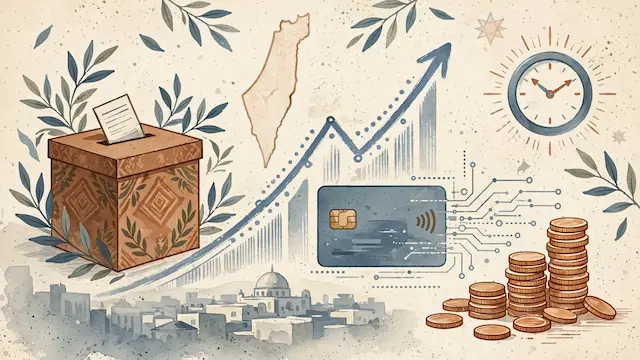
Many Israelis opted to shop and engage in leisure activities on election day, a designated day off for the Knesset elections. This shift in behavior led to a decrease in food delivery orders as people visited restaurants and shopping centers instead. Data from the national cashless transaction operator, SHVA, revealed that from 8:00 AM to 11:00 AM on October 27, total credit card transactions reached approximately 251 million shekels. This figure represents a 26.5% increase compared to the same period during the November 2022 Knesset elections, when spending was around 198 million shekels, and a 10.6% rise from the February 2024 municipal elections, which saw 227 million shekels spent.
The peak of financial activity occurred at 10:57 AM, with over 11,300 transactions totaling about 2.4 million shekels in a single minute. While overall spending surged, credit card operator MAX reported that the average transaction value per active card decreased by about 15% compared to the 2022 elections, standing at 202 shekels by 10:00 AM. Experts explained this drop is due to a larger number of cardholders making purchases, not a reduction in overall spending. MAX's analysis showed that 59% of spending was on food and beverages, 16% on entertainment and leisure, and 10% on clothing. Online purchases accounted for 53% of all spending, with an average online check of 263 shekels, compared to 147 shekels for in-store purchases.
Payment service HYP also noted a 13% increase in transactions by 10:00 AM compared to the previous Tuesday. The fashion sector saw a remarkable 198% jump in purchases, with the average check rising 17% to 327 shekels. Restaurants experienced a 10% increase in customer traffic, while food delivery services saw a sharp 78% decline, attributed to many workers being absent. Large shopping malls reported unprecedented customer traffic and sales, with some centers, like Big Fashion in Glilot, receiving over 10,000 visitors by 12:30 PM, a 134% increase over normal levels. Similar high traffic was observed across other Big chain malls nationwide.
The same event, reported separately by each outlet. Open a few to compare what different newsrooms emphasize — and what they leave out.
Centre 2Right 1Other 1




Not the same event — other stories that share this one’s people, places, or theme: background, reactions, and follow-ups.



