
הרצי הלוי: "7.10 היה כישלון, אבל לא הייתה בגידה מבפנים"
תומצת מתוך Channel 13 על ידי baba
הרמטכ"ל לשעבר הרצי הלוי אמר בוועידה בניו יורק כי 7 באוקטובר היה כישלון שניתן היה למנוע, אך שלל לחלוטין בגידה מבפנים. לדבריו, לחץ צבאי בעזה היה הכרחי לשחרור החטופים, והודה כי פצצות ישראליות הרגו חטופים בטעות. הלוי הסביר כי סדר העדיפויות המקורי היה איראן, חיזבאללה ואז חמאס, וכי חמאס פעל להטעיית ישראל. הוא ציין כי נשלח מסר לחיזבאללה שלא לפעול.
הידיעה ב-6 שורות · תקציר של baba
- Former Chief of Staff Herzi Halevi denied internal betrayal on October 7th, calling it a preventable failure.
- Halevi stated that military pressure in Gaza was essential for the return of hostages.
- He acknowledged that Israeli bombs unintentionally killed hostages due to intelligence failures.
- The initial military priority was Iran, then Hezbollah, and finally Hamas, based on miscalculations.
- Halevi noted that Hamas leader Yahya Sinwar worked to surprise Israel and believed Israel would avoid Gaza.
- A warning was issued to Hezbollah on October 7th against any aggressive actions.
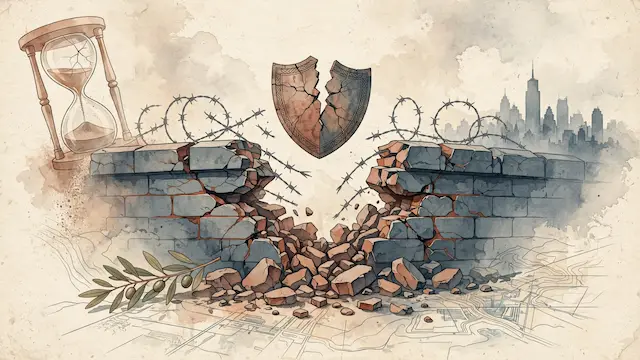
Former Chief of Staff Herzi Halevi stated at the "Shurat Hadin" conference on combating antisemitism in New York that the events of October 7th were a preventable failure, but unequivocally denied any internal betrayal. "One hundred percent there was no internal betrayal," Halevi asserted, emphasizing that the political leadership must also clearly state this. He explained that after three years, no evidence of such betrayal has emerged, and that collaborating with Hamas would require a large network, not just one person.
Halevi also addressed the concept of absolute victory, stating that it took significant effort to convince the political echelon to maneuver within Gaza. He argued that without strong military pressure inside Gaza, the return of hostages would not have been possible, acknowledging that Israeli bombs unfortunately killed hostages due to a lack of precise intelligence at the time, a situation that has since been improved.
He further elaborated that the initial priority was Iran, then Hezbollah, and finally Hamas, as the military and intelligence communities, along with the political leadership, did not anticipate Hamas initiating a war. The prevailing assessment was that Hamas aimed to demonstrate its ability to manage Gaza's population and potentially control the West Bank, a perception Hamas actively cultivated.
Halevi described how Hamas leader Yahya Sinwar meticulously planned to surprise Israel and attack simultaneously, believing Israel would avoid maneuvering in Gaza due to its perceived complexity. Halevi concluded by noting that a message was sent to Hezbollah on the morning of October 7th, warning of a severe response if they made any aggressive moves.
מוזכרים
אותו אירוע, כפי שכל מערכת דיווחה עליו בנפרד. פתחו כמה דיווחים כדי להשוות מה כל מערכת מדגישה, ומה היא משאירה בחוץ.
מרכז 5ימין 2אחרים 1













לא אותו אירוע: ידיעות אחרות שחולקות עם הידיעה הזו אנשים, מקומות או נושא. רקע, תגובות והמשכים.

