
Iran and Oman Reach Agreement on Strait of Hormuz Control Amid US Sanctions
Translated & summarized from Calcalist by baba
Iran and Oman have agreed on control and revenue sharing for the Strait of Hormuz, with Iran demanding US acceptance of its terms to reopen the strategic waterway. The US has imposed new sanctions on Iran and currently focuses on economic pressure rather than military action.
The story in 6 lines · by baba
- Iran and Oman reached an agreement on navigation and revenue sharing in the Strait of Hormuz.
- Iran insists the strait remains closed unless the US accepts Tehran's conditions.
- Iran controls the strait and restricts warship access within 400 km.
- The deal divides shipping lanes between Iranian and Omani coasts.
- US President Trump imposed new sanctions, shifting from military threats to economic pressure.
- US officials say no immediate military strikes are planned, focusing on blockades and sanctions.
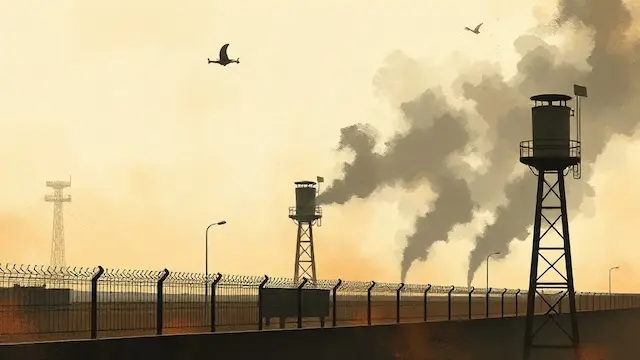
On Wednesday, Hossein Mohebbi, spokesperson for Iran's Revolutionary Guards, announced an agreement with Oman regarding navigation routes in the Strait of Hormuz. Mohebbi emphasized that the Strait will remain closed unless the United States accepts Tehran's conditions. He asserted Iran's control over the strait, stating that no hostile warships are within 400 kilometers of the area and that no vessel can pass without Iran's permission. Mohebbi called for unity against common adversaries and suggested that if the US stops obstructing negotiations and returns to previous understandings, the strait could be reopened. He also confirmed full Iranian control over the maritime corridor near Oman and a revenue-sharing agreement with Muscat.
This announcement follows a New York Times report from three weeks ago indicating that Iran and Oman were nearing a deal to open the strait to shipping without US involvement. The proposed arrangement would restrict international access, dividing shipping lanes between the Iranian coast for incoming vessels and the Omani coast for outgoing ones.
The agreement comes amid escalating US sanctions against Iran, announced by President Donald Trump, who has shifted from military confrontation to economic pressure, threatening severe penalties on countries trading with Iran. Recent US statements, including from Secretary of State Marco Rubio, indicate no immediate plans for new military strikes, focusing instead on economic and naval blockades. The US administration also notes that the removal of mines from much of the strait and increased tanker traffic have weakened Iran's leverage in negotiations.
Mentioned







