Israel's Health System on High Alert Amid Major Cyberattack Threat
Translated & summarized from Vesty by baba
Israel's healthcare system was put on high alert on November 27 due to intelligence about an impending large-scale cyberattack. Hospitals and health organizations increased vigilance, with some blocking foreign access to systems. Cybersecurity experts cited the value of medical data and the current security tensions as motivators for such attacks. The threat is amplified by AI and the complexity of securing interconnected medical devices.
The story in 6 lines · by baba
- Israel's healthcare system raised its alert level on November 27 due to a credible threat of a major cyberattack.
- The Ministry of Health warned hospitals of potential attacks, urging increased vigilance and reporting of system anomalies.
- Health organizations like Maccabi blocked foreign access to systems as a precautionary measure against cyber threats.
- Cybersecurity experts noted a 49% rise in attacks on Israeli entities recently, linked to the security situation.
- AI advancements are making it easier for attackers to exploit vulnerabilities in complex healthcare systems.
- Healthcare facilities are frequent targets due to the sensitive data they hold and the potential for public disruption.
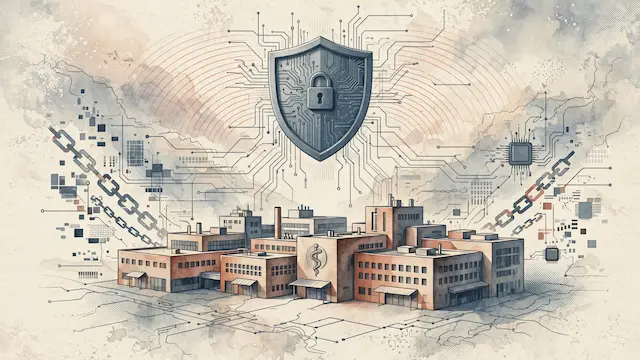
Israel's healthcare system was placed on high alert on Friday, November 27, due to the threat of a large-scale cyberattack. The Ministry of Health's cybersecurity unit warned hospitals on Thursday evening, November 26, about signs of preparations for a significant attack targeting the nation's health infrastructure. Medical facilities were urged to increase vigilance and report any system anomalies, as the specific attack method remained unknown.
Health maintenance organizations (HMOs) also implemented precautionary measures. Maccabi HMO temporarily blocked external access to its information systems from abroad, anticipating these restrictions would last until at least Sunday. Another HMO reported strengthening its security protocols and readiness levels, though it did not restrict access for overseas medical staff. At least one HMO had already blocked foreign access prior to the ministry's warning.
Gil Messing, head of the Check Point company's staff, explained that blocking foreign access significantly reduces the risk of infiltration by external actors. He noted that sophisticated hackers might attempt to use Israeli-based access points, such as infected user systems, to launch attacks. Messing added that such measures have been employed previously for preventive purposes.
Healthcare institutions are frequent targets globally and in Israel, with a 49% increase in attacks on Israeli entities in recent weeks, largely due to the tense security situation. Messing highlighted that attackers understand the value of medical data and the potential for widespread public disruption and harm to patients. Weekends are particularly vulnerable due to reduced staffing and divided attention.
Factors complicating hospital security include the vast number of internet-connected medical devices, often outdated infrastructure requiring regulatory approval for changes, and open networks accessible to patients. The increasing intensity of cyberattacks, coupled with AI's role in exploiting system vulnerabilities, further exacerbates the situation, giving attackers capabilities comparable to superpowers. This heightened threat landscape, especially amid rising security tensions, necessitates robust preparation for potential attacks.
Keep up with
Mentioned
The same event, reported separately by each outlet. Open a few to compare what different newsrooms emphasize — and what they leave out.
Haredi 1Other 1

Not the same event — other stories that share this one’s people, places, or theme: background, reactions, and follow-ups.