
Israel's Health System on High Alert for Cyberattack
Translated & summarized from Ynet by baba
Israel's health system is on high alert for a potential cyberattack, with the Ministry of Health warning hospitals and medical institutions to increase vigilance. Maccabi Healthcare Services disconnected its systems from external access as a precaution. Cybersecurity experts note a recent surge in attacks against Israeli targets, with hospitals being particularly vulnerable due to the sensitive data they hold and the potential for widespread disruption.
The story in 6 lines · by baba
- Israel's health system is on high alert for a potential cyberattack.
- The Ministry of Health warned hospitals of indications of a broad attack.
- Maccabi Healthcare Services disconnected its systems from external access.
- Cyberattacks against Israeli targets have increased significantly recently.
- Hospitals are considered prime targets due to sensitive data and disruption potential.
- Previous cyberattacks have impacted Israeli medical centers, including data leaks and ransomware.
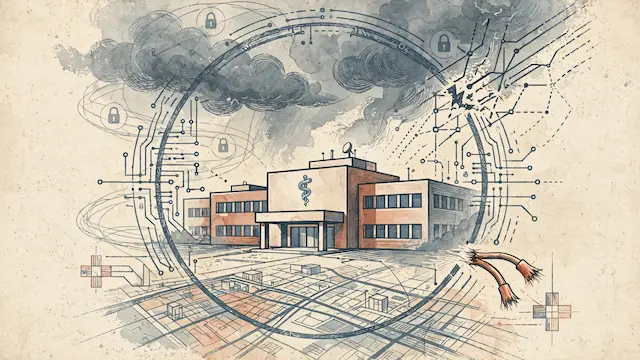
Israel's health system is on high alert due to warnings of a potential widespread cyberattack targeting the sector. The Ministry of Health's cyber unit alerted hospitals on Thursday about "indications of organization for a broad attack against the health sector in Israel," urging medical institutions to increase vigilance and report any anomalies. The exact attack vector remains unclear, according to the ministry.
In response, health maintenance organizations (HMOs) are taking precautions. Maccabi Healthcare Services has disconnected its systems from external access, stating this measure was taken due to the cyberattack indications and that the connection will remain down at least until Sunday. Another HMO reported no changes to foreign doctor connections but has strengthened its defenses and heightened alertness.
Health organizations are frequent targets globally, with a significant increase in attacks against Israeli entities observed recently due to security tensions. Gil Messing, Head of Staff at cybersecurity firm Check Point, noted a 49% rise in attacks on Israeli targets in recent weeks. He explained that hospitals are particularly attractive targets because the data they hold is significant, and disrupting their operations can have widespread consequences, potentially harming patients.
Messing further elaborated that weekends are often prime times for such attacks due to reduced staffing and attention. He highlighted the complexity of defending hospitals, citing the vast number of interconnected medical devices, aging infrastructure requiring strict regulatory approval for changes, open networks accessible to patients, and the escalating pace of attacks. The rise of artificial intelligence has further complicated defenses, making it easier for attackers to exploit system vulnerabilities.
This heightened alert follows previous incidents, including a cyberattack on Shamir Medical Center (Assaf Harofeh) during Yom Kippur last year, which resulted in the leak of medical information. An investigation suggested the attack originated in Iran, though an Eastern European hacker group claimed responsibility. In August 2023, Mayanei Hayeshua Medical Center in Bnei Brak suffered a ransomware attack that disrupted its administrative systems.
Keep up with
Mentioned



