
Nationwide Cyber Unit Warns of Sophisticated Impersonation Scams
Translated & summarized from Behadrei Haredim by baba
Israel's National Cyber Directorate is warning of a sophisticated scam campaign where malicious actors impersonate the Israel Police and Tax Authority via SMS and WhatsApp. The scams aim to steal financial information or install malware by tricking users into clicking malicious links or downloading fake apps. Citizens are urged not to click suspicious links, to verify requests through official channels, and to report incidents or seek help by calling 119.
The story in 6 lines · by baba
- Sophisticated scams impersonating Israel Police and Tax Authority are targeting citizens nationwide.
- Attackers use WhatsApp and SMS to trick victims into downloading malware or revealing financial data.
- Malicious apps can grant attackers full remote control of smartphones.
- Fake websites linked in messages aim to steal credit card and payment information.
- Citizens are warned not to click suspicious links or download apps from unknown sources.
- The National Cyber Directorate advises verification through official websites and reporting via 119.
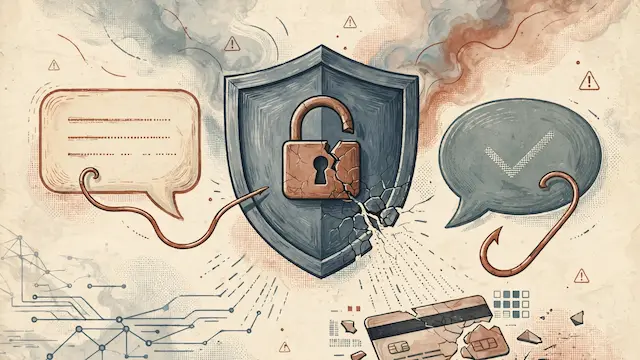
The National Cyber Directorate has issued an urgent warning about a widespread wave of sophisticated phishing attempts targeting Israeli citizens. Malicious actors are impersonating government bodies, primarily the Israel Police and the Tax Authority, in an effort to steal credit card details, sensitive information, and in some cases, gain remote control of victims' smartphones.
Cybersecurity experts have identified two primary methods used in this campaign. One involves WhatsApp messages, originating from foreign phone numbers, that impersonate the Tax Authority. These messages falsely claim the recipient is due a refund and direct them to a link to download a dedicated app for Android devices. This app, however, is malicious; once installed and granted permissions, it creates a backdoor allowing attackers to read messages, intercept authentication codes, activate the camera, and take full remote control of the phone.
The second method involves SMS messages impersonating the Israel Police, demanding payment for traffic fines. These messages often include explicit threats of additional penalties for delayed payment to pressure recipients into acting quickly. The accompanying link leads to a fake website designed to steal the user's payment and credit card information.
The National Cyber Directorate strongly advises against clicking on any links in suspicious messages, even if they appear legitimate. To verify any official payment requests or inquiries, citizens should independently visit the official websites of the relevant authorities. They also emphasize that personal details, credit card information, or authentication codes should never be shared in response to unsolicited messages, and apps should only be downloaded from official app stores.
For those who receive suspicious links, the Directorate suggests copying the URL without opening it and submitting it to the "Click Check" service on the National Cyber Portal for verification. This also helps the Directorate identify and disable malicious links. Individuals who have already downloaded a malicious app are urged to contact the National Cyber Directorate at 119 for technical assistance. Those who have already entered their credit card details should immediately contact their bank or credit card company to block the card.
Keep up with
Mentioned
The same event, reported separately by each outlet. Open a few to compare what different newsrooms emphasize — and what they leave out.
Haredi 1Other 2


Not the same event — other stories that share this one’s people, places, or theme: background, reactions, and follow-ups.
