
Cybersecurity Agency Warns of New Wave of Scam SMS and WhatsApp Messages
Translated & summarized from NEWSru Israel by baba
Israel's National Cyber Directorate is warning citizens about a surge in scam messages via SMS and WhatsApp, impersonating police and the Tax Authority. The goal is to steal personal data, credit card details, and access phones by tricking users into downloading malicious apps or visiting fake payment sites. The agency advises verifying official demands, avoiding suspicious links, and contacting authorities or banks if compromised.
The story in 6 lines · by baba
- Israel's National Cyber Directorate warns of scam SMS and WhatsApp messages impersonating police and Tax Authority.
- Scammers aim to steal personal data, credit card details, and gain phone access.
- Fake Tax Authority messages offer refunds and prompt downloads of malicious Android apps.
- Fake police messages demand payment for traffic fines via links to phishing sites.
- Citizens are advised to verify demands on official sites and avoid suspicious links or downloads.
- A hotline (119) and bank contact are recommended for those already affected.
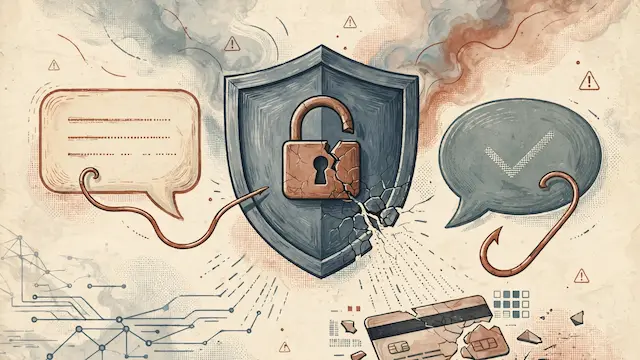
Israel's National Cyber Directorate has issued a warning about a new wave of fraudulent SMS and WhatsApp messages targeting citizens. Scammers are impersonating the police and the Tax Authority in an attempt to steal personal data, credit card details, and gain access to mobile phones. Messages claiming to be from the Tax Authority are being sent via WhatsApp from foreign phone numbers, informing recipients of a supposed tax refund. These messages prompt users to download an application for Android smartphones, which, if installed, can grant scammers access to correspondence, transaction confirmation codes, the phone's camera, and allow remote device control. SMS messages, purportedly from the police, demand payment for traffic violations, threatening increased fines for late payment. The links provided in these messages lead to fake websites designed to steal payment information. The National Cyber Directorate advises the public not to click on suspicious links, to verify payment demands on official government websites, to avoid sharing personal data and confirmation codes, and to download applications only from official stores. A service is available on the agency's website to check suspicious links without opening them. Individuals who have already installed malicious applications are urged to call 119 for assistance, and those who have shared credit card details with scammers should contact their bank immediately.
Keep up with
Mentioned
Not the same event — other stories that share this one’s people, places, or theme: background, reactions, and follow-ups.
