
Trump Delays Iran Strike Decision, Weighs Sanctions and Regional Fears
Translated & summarized from Maariv by baba
U.S. officials expect President Donald Trump to delay any decision on attacking Iran for at least a week, despite Israeli pressure. The administration is weighing the impact of sanctions and blockades against fears of Iranian retaliation on Gulf energy infrastructure. Debates continue within the U.S. and Israel regarding the urgency of the threat, with some officials skeptical of intelligence on Iranian chemical weapons capabilities. Gulf states are exploring potential diplomatic solutions, but significant differences persist between the U.S. and Iran.
The story in 5 lines · by baba
- President Trump is delaying a decision on attacking Iran for at least a week, despite Israeli pressure.
- The U.S. is assessing sanctions and blockades, while fearing Iranian retaliation against Gulf energy infrastructure.
- Intelligence assessments differ on the urgency of Iranian threats, including chemical weapons capabilities.
- Gulf states are pursuing diplomatic options, but significant gaps remain between U.S. and Iranian positions.
- The U.S. Senate recently rejected a resolution to limit the President's war powers against Iran.
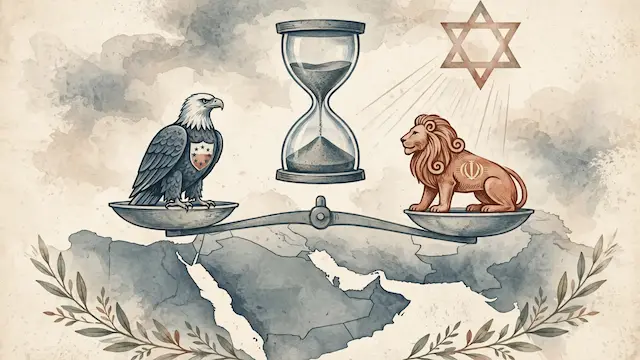
U.S. officials anticipate that President Donald Trump will not order an attack on Iran within the next week, despite Israeli pressure. The administration is evaluating the effectiveness of existing naval blockades and sanctions, alongside concerns about potential Iranian retaliation against Gulf states. Some within the U.S. administration believe that continued economic pressure and the maritime blockade may yield results without renewed military action.
Trump has reportedly informed his advisors that he might refrain from new strikes as long as Iran does not take further actions necessitating a response. The administration assesses that the naval blockade and sanctions are placing significant pressure on Iran's economy. Debates are ongoing regarding the utility and urgency of further attacks, with differing views on the severity of new intelligence threats and whether they justify immediate military action. Some officials advocate for continued pressure on Tehran to gauge its impact before deciding on renewed hostilities.
The White House has requested assessments from the Pentagon and intelligence agencies regarding potential Iranian responses to prepared attack alternatives. Concerns include the possibility of widespread damage to oil and gas facilities in Gulf nations, which oppose renewed conflict and prefer continued economic pressure. Washington is examining whether an attack can degrade Iran's military capabilities without provoking a broad response against Gulf states and their energy infrastructure, a fear heightened by recent escalations in the Strait of Hormuz and attacks on oil tankers and an industrial facility in Bahrain.
Israeli officials, including Mossad Chief Roman Gofman, have warned that inaction could lead to military operations under more difficult conditions later. However, differing assessments on the urgency of the threat exist within both Israeli and U.S. administrations. While Iran has increased its activity in the chemical weapons sphere, U.S. and Israeli sources indicate it currently lacks the capability for chemical attacks, with some senior U.S. officials expressing skepticism about presented intelligence.
Additional considerations include the financial cost of sustained U.S. military presence in the region, with U.S. Central Command expressing concerns about operational readiness and resource strain. The political climate in the U.S., marked by criticism of the ongoing war and its economic consequences, also influences decision-making. The Senate recently rejected a resolution to limit the President's war powers against Iran.
Meanwhile, Qatari representatives held talks in Tehran following previous unsuccessful negotiations in Oman. Gulf states are exploring a partial agreement that could ease shipping restrictions in the Strait of Hormuz in exchange for limited sanctions relief, though significant gaps remain between Washington and Tehran's positions.
Keep up with
Mentioned
The same event, reported separately by each outlet. Open a few to compare what different newsrooms emphasize — and what they leave out.
Centre 3



Not the same event — other stories that share this one’s people, places, or theme: background, reactions, and follow-ups.



