
Iran Hardens Stance Against Trump After Republican Midterm Losses
Translated & summarized from Mako by baba
Iran has adopted a tougher negotiating stance with the U.S. following Republican losses in the midterm elections, interpreting the results as a rebuke of President Trump's policies. Tehran believes its actions, including disruptions at the Strait of Hormuz, influenced the outcome and is now demanding sanctions relief before making concessions. The U.S. insists Iran cease attacks on ships first. Indirect talks continue, but disagreements over the sequence of actions persist, potentially hindering a resolution.
The story in 6 lines · by baba
- Iran has hardened its negotiating stance against the U.S. after Republican midterm election losses.
- Tehran views the election results as a victory over Washington and a sign of voter dissatisfaction with Trump.
- Iran demands sanctions relief before allowing passage through the Strait of Hormuz.
- The U.S. insists Iran must stop attacking ships before lifting sanctions or releasing funds.
- An independent Israeli action could force President Trump to decide on a response.
- Indirect talks between Iran and the U.S. are ongoing, mediated by countries like Oman and Pakistan.
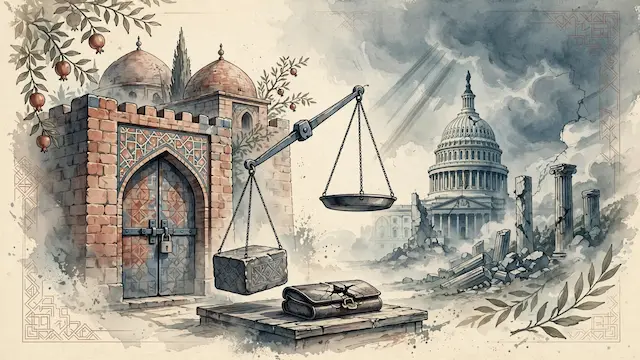
Iran has hardened its negotiating position with the United States following the Republican Party's losses in the recent midterm elections, according to a report by The New York Times citing American, European, and Iranian sources. Tehran interprets the election results as a voter rebuke of President Donald Trump's handling of the conflict, with Iranian officials telling the newspaper that the leadership views the outcome as a victory over Washington and is now inclined to offer fewer concessions.
Iranian officials noted that Vice President J.D. Vance's statement suggesting the conflict contributed to the Republican losses was seen in Tehran as evidence of internal White House discord. They believe Iran's strategy of disrupting the Strait of Hormuz to influence American voters was successful. Peyman Salehi, a commentator close to the Iranian government, told the Times that Iran believes Trump is under pressure from his constituents and party to end the conflict. Democratic Congressman Jim Himes also suggested the election results bolstered Iran's confidence in dealing with the Trump administration.
The core dispute remains the sequence of actions regarding the Strait of Hormuz. American sources indicate Iran demands sanctions relief and payments from Arab nations before allowing ships to transit the strait. Conversely, the U.S. insists Iran must cease attacks on vessels before any Iranian funds are unfrozen or sanctions are lifted. This disagreement over the order of steps has previously derailed talks and could jeopardize current negotiations.
Despite the tougher stance, indirect contacts continue. Iranian Foreign Minister Abbas Araghchi visited Pakistan and Oman, countries involved in mediating the discussions. U.S. and European intelligence agencies reportedly believe Tehran remains open to an agreement that would grant access to billions of dollars in frozen assets. Other sources suggest Iran has also prepared plans to increase attacks on tankers to pressure Washington back to the negotiating table.
The New York Times report also suggests that an independent Israeli action could force Trump to decide on a response, as could an Iranian attack on a U.S. target or one of its regional allies. Trump himself has indicated he is not in a hurry to restart the conflict and believes Iran desires a deal, though he has also stated he might be compelled to order further strikes.
Mentioned




