
Iran Hardens Stance in US Talks After Republican Midterm Losses
Translated & summarized from Arutz Sheva by baba
Iran has hardened its negotiating stance with the U.S. following Republican losses in the midterm elections, believing it has weakened President Trump. Tehran sees the election results as proof that its strategy of imposing economic costs via Strait of Hormuz disruptions is working. The U.S. is considering military action, diplomacy, or troop reduction, while Iran seeks access to frozen assets. Foreign Minister Abbas Araghchi is engaged in regional diplomacy to de-escalate tensions.
The story in 6 lines · by baba
- Iran has hardened its negotiating stance with the U.S. after Republican midterm election losses.
- Tehran believes the election results weakened President Donald Trump and boosted Iran's bargaining power.
- Iranian strategy of economic pressure via Strait of Hormuz disruptions is seen as successful.
- U.S. is considering military action, diplomacy, or troop reduction amid internal debates.
- Foreign Minister Abbas Araghchi is engaged in regional diplomacy to prevent escalation.
- Disagreements over sanctions relief and maritime security in the Strait of Hormuz persist.
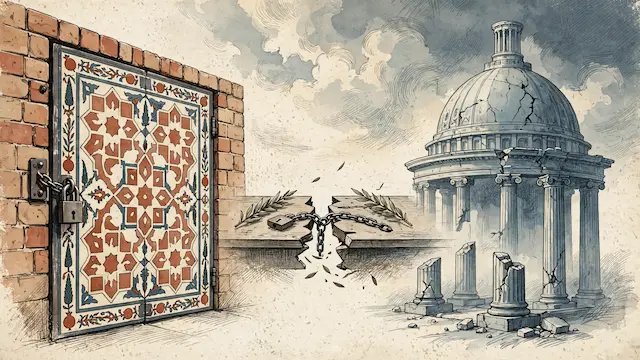
Iran has adopted a tougher negotiating position with the United States following the Republican Party's defeat in the midterm elections. Tehran believes the election results weakened President Donald Trump and improved Iran's bargaining power. This assessment stems from the belief that Iranian strategies, aimed at imposing economic costs on the U.S. through disruptions in the Strait of Hormuz, have proven effective.
Iranian officials reportedly view the midterm outcomes as validation of their approach, which they believe contributed to rising living costs in the U.S. and fueled public opposition to continued conflict. Consequently, Iranian negotiators are showing less willingness to compromise, even as indirect talks mediated by regional actors continue. The Republican losses have also exacerbated internal Washington debates about managing the ongoing conflict, which began over eight months ago.
Vice President J.D. Vance and other Republicans publicly linked the party's electoral setbacks to the war. In response to Vance's statements, Trump reportedly removed him from the negotiating team and instructed him to focus on domestic issues. The U.S. administration is currently evaluating several options, including resuming military strikes, pursuing further diplomatic settlements, or reducing its significant military presence in the region.
However, unilateral Israeli actions or Iranian attacks on U.S. interests or allies could trigger a military response from Washington, even without a deliberate decision to restart hostilities. Despite Iran's hardened rhetoric, Western intelligence agencies assess that Tehran still desires an agreement, provided it can access billions of dollars in frozen assets.
Iranian Foreign Minister Abbas Araghchi, leading the negotiations for Tehran, visited Pakistan and Oman recently as part of ongoing regional diplomatic efforts to prevent further escalation. A key sticking point remains the situation in the Strait of Hormuz, where Iranian actions have disrupted international shipping and contributed to energy price hikes. Iran demands sanctions relief and payments from Arab nations for unhindered maritime traffic, while the U.S. insists Iran cease attacks on commercial vessels first. This disagreement over the sequence of steps has previously hindered agreement attempts.
Mentioned
The same event, reported separately by each outlet. Open a few to compare what different newsrooms emphasize — and what they leave out.
Coverage from Arutz Sheva

Not the same event — other stories that share this one’s people, places, or theme: background, reactions, and follow-ups.
