
Netanyahu's Gamble Backfires, Threatening Israel's Security Alliances
Translated & summarized from Maariv by baba
Israel's strategic alliances are under threat due to the policies of the Netanyahu coalition, which have allowed for settlement expansion and the control of millions of Palestinians. International sentiment is shifting, with concerns about sanctions and arms embargoes growing. The article calls for a policy reset, including combating extremist violence, engaging with the Palestinian Authority, and halting settlement expansion, to prevent isolation and economic damage.
The story in 5 lines · by baba
- Israel's strategic alliances with the US and EU are at risk due to current coalition policies.
- International sentiment is shifting, with concerns about sanctions and arms embargoes against Israel.
- The long-standing policy of settlement expansion in the West Bank is becoming unsustainable.
- A policy reset is needed, including combating extremist violence and halting settlement growth.
- Failure to change course could lead to isolation, economic damage, and brain drain for Israel.
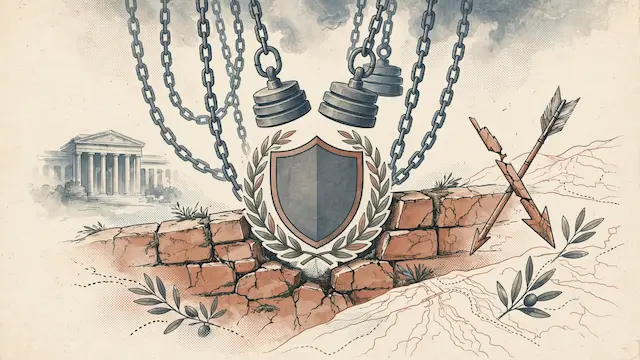
Israel's strategic alliances, crucial for its security and prosperity given its lack of strategic depth, are at risk due to the policies of the current Netanyahu coalition, according to an analysis by Dan Peri. The United States provides vital military and diplomatic support, while the European Union offers essential markets. However, a shift in international sentiment, particularly among European and American diplomats and opinion leaders, has left many "shocked" by Israel's current representation and concerned about impending sanctions and arms embargoes.
The article argues that Israel's long-standing approach to the political stalemate, which has allowed for the expansion of settlements in the West Bank and the control of millions of Palestinians without granting them political rights, is no longer sustainable. This situation, which has persisted for nearly 60 years, is now drawing international attention as the world "clears its schedule" to address the issue.
Prime Minister Benjamin Netanyahu's political gamble is described as potentially jeopardizing Israel's military capabilities, including its air force, intelligence superiority, Unit 8200, and Iron Dome. The author suggests that Netanyahu's defeat in the recent elections should have been more decisive. The piece highlights the contradiction of governing millions without political rights, a situation that clashes with democratic values and international cooperation.
The article posits that the erosion of support from nationalist and cynical populists abroad, such as Donald Trump, who previously downplayed human rights concerns, is leaving Israel more vulnerable. The victory of Democrats in the US Congress is seen as particularly significant, as a future Democratic president could re-evaluate relations with Israel, including military aid and diplomatic backing.
The author calls for a "reset" in Israeli policy, urging the government to take concrete steps. These include decisively combating Jewish extremist violence in the West Bank, ending the "harmful boycott" of the Palestinian Authority while insisting on reforms, and halting settlement expansion. Such measures, the article suggests, could provide allies with reasons to support Israel and offer its citizens an alternative to a sense of helplessness, potentially even reopening the path to peace with Saudi Arabia.
Mentioned


