
Popular Weight Loss Drugs May Harm Vision, FDA Warns
Translated & summarized from Davar by baba
The U.S. FDA has warned of a potential risk of optic nerve damage (NAION) linked to popular GLP-1 weight loss and diabetes drugs like Ozempic and Wegovy. While the relative risk increased by 68% in an FDA analysis, the absolute risk remains low. An Israeli diabetes nurse association urged patients not to stop treatment, calling the condition rare and emphasizing the drugs' life-saving benefits.
The story in 5 lines · by baba
- FDA warns of potential optic nerve damage risk with GLP-1 drugs like Ozempic and Wegovy.
- The condition, NAION, can cause sudden, painless vision loss and potentially permanent blindness.
- FDA analysis showed a 68% relative increase in NAION cases among drug users, but absolute risk is low.
- The FDA is requiring warning labels and advising patients and doctors to consider the risk.
- An Israeli association urged patients not to stop medication, calling the condition rare and the drugs life-saving.
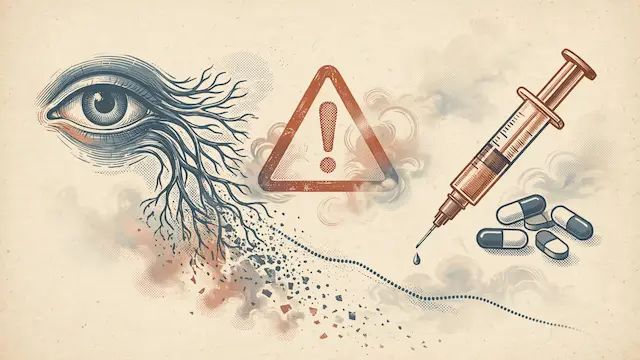
The U.S. Food and Drug Administration (FDA) announced on Monday a potential increased risk of a rare but serious optic nerve condition, known as NAION, associated with GLP-1 class drugs. These medications, including Ozempic, Wegovy, Mounjaro, and Zepbound, are widely used for treating diabetes and obesity. NAION can lead to sudden, painless vision loss in one eye, and in some cases, permanent blindness.
Following these findings, the FDA is requiring a warning to be added to the drug labels and is urging healthcare professionals and patients to consider this risk. An FDA analysis indicated that the rate of optic nerve damage among users of these drugs was 6.4 cases per 100,000 person-years, compared to 3.8 cases in patients receiving a placebo or other diabetes medications. This represents a relative increase of approximately 68%, though the absolute risk remains low.
According to the Sheba Medical Center website, NAION is caused by impaired blood flow to the small blood vessels supplying the optic nerve head, potentially causing swelling, edema, and sometimes bleeding, leading to sudden vision loss. The FDA notes the condition is painless and advises patients experiencing sudden vision decline to seek immediate medical attention.
The Israeli Diabetes Nurse Specialists Association (Amali) stated that the FDA announcement has caused confusion among many patients in Israel, emphasizing that the condition is extremely rare. Amali CEO Sima Arbeli noted that a definitive causal link has not yet been proven and the issue is under review. She urged patients not to stop their medication independently, highlighting that these drugs are life-saving, preventing heart disease, stroke, and severe diabetes complications, and that discontinuing them poses a much higher immediate health risk.



