
Tel Aviv to Fine Drivers for Unnecessary Horn Use Starting 2027
Translated & summarized from Arutz Sheva by baba
Tel Aviv will start fining drivers for unnecessary horn use in early 2027, employing a new system of microphones and cameras at 11 locations. Fines will range from NIS 250 to NIS 1,000 depending on the offense and vehicle ownership, with a human inspector verifying each case. The initiative aims to reduce urban noise pollution.
The story in 5 lines · by baba
- Tel Aviv will begin fining drivers for unnecessary honking in early 2027.
- A new system using microphones and cameras will enforce the rule at 11 city locations.
- Fines start at NIS 250 for individuals and NIS 500 for corporations.
- A municipal inspector will review all detected incidents before issuing a fine.
- The initiative aims to reduce noise pollution in the city.
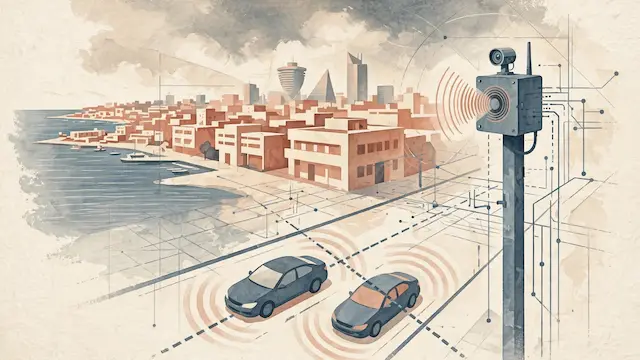
The Tel Aviv Municipality is set to begin enforcing regulations against unnecessary honking using cameras and microphones at 11 locations across the city, starting in the first quarter of 2027. This new enforcement system aims to identify and penalize drivers who use their horns for non-safety related reasons, thereby reducing noise pollution and deterring misuse. The system will integrate microphones to detect honking and video cameras to identify the offending vehicles. The municipality awarded the contract to establish and operate this system to the company "Nois" last month, and preparations are now underway for the technological deployment.
Under the new plan, drivers will face a NIS 250 fine for a first offense of unnecessary honking, increasing to NIS 500 for repeat offenses. For corporate-owned vehicles, the fines will be higher: NIS 500 for the first offense and NIS 1,000 for subsequent ones. The fines will be issued to the registered owner of the vehicle, as per Ministry of Transport records.
Unlike systems relying solely on visual evidence, this new technology will first identify the sound of the horn. Microphones will pinpoint the direction and location of the honk, and video footage will then be used to identify the specific vehicle. However, the technological detection will not automatically result in a fine. The collected data and footage will be reviewed by a municipal inspector who will assess the circumstances of the incident to determine if an offense occurred before a report is issued to the vehicle owner.
Initially, the system will be implemented at 11 key intersections and areas in Tel Aviv, including the junction of Bograshov and Tchernichovsky streets and Rabin Square.
The same event, reported separately by each outlet. Open a few to compare what different newsrooms emphasize — and what they leave out.
Centre 3Right 1Haredi 2Arab 1Other 6












Not the same event — other stories that share this one’s people, places, or theme: background, reactions, and follow-ups.

