
Israel Plans Duty-Free Yellow Cheese Imports to Lower Prices
Translated & summarized from Cursorinfo by baba
Israel plans to import 5,900 tons of yellow cheese duty-free in 2027 to increase market supply and competition. A portion of the imports will be tied to commitments for lower consumer prices, while a bonus quota will allow importers more pricing flexibility. The Ministry of Economy hopes this will lead to reduced cheese costs for consumers, though the final outcome depends on market dynamics.
The story in 5 lines · by baba
- Israel will import 5,900 tons of yellow cheese duty-free in 2027.
- The goal is to increase supply and competition, potentially lowering prices.
- Most of the quota requires importers to offer the lowest consumer prices.
- A bonus quota allows importers to set prices without maximum retail price limits.
- Previous duty-free cheese was sold at significantly lower prices than local brands.
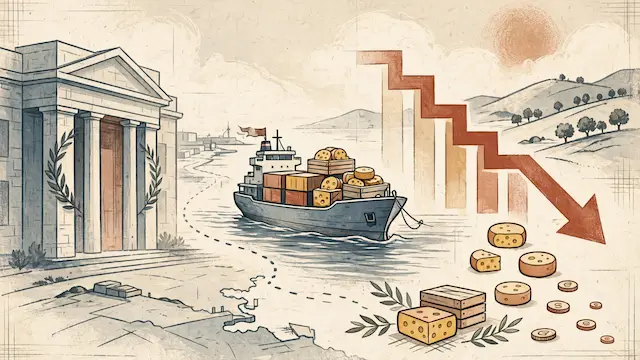
Israel's Ministry of Economy is initiating a procedure to allocate quotas for the duty-free import of 5,900 tons of yellow cheese in 2027. The initiative aims to boost the supply of imported cheese on the local market and foster competition among suppliers by encouraging lower prices. Approximately 4,070 tons of the total quota will be granted to importers who commit to offering the lowest consumer prices for both bulk and pre-packaged cheese. The remaining quota will be distributed as a bonus, with importers not obligated to adhere to a maximum retail price for this portion. This distinction means that not all imported cheese under the program will necessarily be sold at a reduced cost. Previous similar programs saw imported yellow cheese sold at prices ranging from 2.90 to 3.50 shekels per 100 grams, significantly lower than leading Israeli brands. For the 2027 allocation, the quota committee decided to increase the bonus quota volume, granting importers more flexibility in pricing a portion of their supply. This adjustment comes amid rising international cheese prices. The Ministry of Economy anticipates that these enhanced opportunities will encourage importers to offer competitive prices across the entire import volume, thereby increasing market competition and potentially lowering costs for consumers. However, the ultimate impact on prices will depend on importer participation, their pricing strategies, and the level of competition generated.




