
Arab World Weighs Trump's Options on Iran Amid Election Fallout
Translated & summarized from Maariv by baba
Arab nations are analyzing three potential U.S. strategies toward Iran: escalating military action, resuming negotiations, or continuing economic pressure. These options are being considered as President Donald Trump faces political headwinds following recent elections. Iran is increasing diplomatic engagement with Russia and other regional players. Regional concerns include potential Iranian retaliation and the impact of U.S. and Israeli political shifts on regional stability, with fears of further conflict versus hopes for diplomatic progress.
The story in 5 lines · by baba
- Arab nations are assessing three U.S. options for Iran: war, deal, or sanctions.
- Iran is increasing diplomatic contacts with Russia, Turkey, and Qatar.
- President Trump's political standing is seen as weakened by election results.
- Regional fears include a broad Iranian response to potential U.S. actions.
- Lebanon's security and Hezbollah's weapons remain key points of contention.
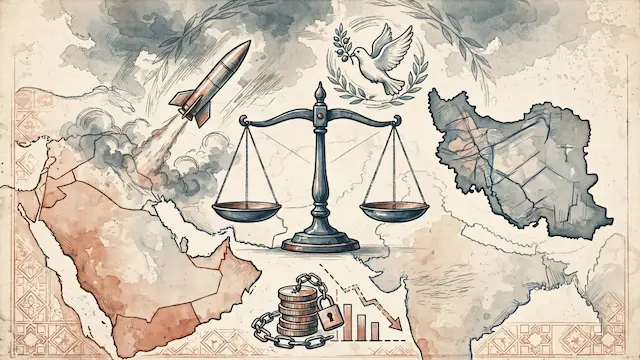
Arab nations are analyzing three potential paths for the Trump administration regarding Iran: escalating military action, returning to negotiations, or maintaining economic sanctions and pressure. This assessment comes amid speculation that President Donald Trump, weakened by election results, might consider a "third option" beyond war or a deal. Washington is reportedly examining these possibilities, with internal debate on the scope and success of expanded military operations. A return to negotiations faces the challenge of Iran potentially hardening its stance, believing a politically weakened U.S. administration needs a settlement.
The third option involves continued economic pressure, possibly with limited, targeted military strikes, to alter the balance of power without a full-scale war. However, this path carries uncertainty regarding its duration and effectiveness, as well as its economic and security implications. The region and international community may find it difficult to sustain a prolonged state of "non-war, non-peace" marked by military threats and economic disruption.
Meanwhile, Iran is intensifying diplomatic contacts with Russia, Turkey, and Qatar. These discussions reportedly touch upon past proposals regarding Iran's nuclear program, including the potential transfer of highly enriched uranium to Russia. Qatar has also increased its mediation efforts to prevent further escalation and steer parties back to a diplomatic track.
Regional concerns focus on how Trump and Prime Minister Benjamin Netanyahu will react to their perceived political weakening. One view suggests Trump might favor expanding the conflict for a significant military achievement, avoiding the appearance of conceding to Iran. Conversely, others believe election setbacks limit his ability to launch new military campaigns, and Netanyahu would struggle without U.S. backing. Opponents of escalation warn that another war might not lead to regime change or Tehran's surrender and could further damage U.S. standing.
There is significant fear of a broad Iranian response targeting not only Israel and the U.S. but also other Middle Eastern nations, potentially impacting energy infrastructure, oil facilities, and critical utilities. Arab countries and regional actors are working to forge a comprehensive settlement to end the conflict and prevent widespread damage to regional infrastructure and economies.
In Lebanon, election outcomes could influence security arrangements with Israel and the future of Hezbollah's weaponry. Some analysts believe Trump and Netanyahu might pursue military escalation, while others see their political weakening as reducing the likelihood of new conflict. The issue of non-state controlled weaponry remains a central point of contention, with international embassies emphasizing the need for investigation and consolidation of arms under Lebanese state control. This could be a key condition for any new security arrangement, regardless of U.S. policy shifts. Arab world observers hope for future discussions on broader regional settlements, including Israeli withdrawal from Syrian territories and security agreements with Damascus, though these are seen as distant possibilities facing significant obstacles.
Mentioned




