Israel's 2026 Election: A Battle for the Nation's Identity
Summarized from The Jerusalem Post by baba
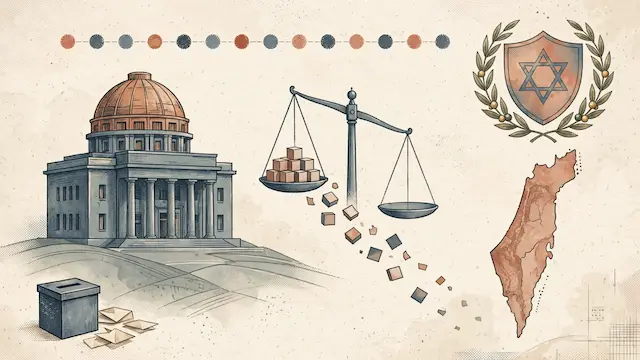
The 2026 Israeli elections saw a significant shift in power, with opposition parties securing a majority of 67 seats, partly due to record Arab Israeli turnout. Prime Minister Benjamin Netanyahu's bloc lost seats, and he questioned the legitimacy of a government reliant on Arab support. The election highlighted a fundamental debate over Israel's identity as a Jewish and democratic state, with competing visions for its future. The outcome now rests on opposition leader Gadi Eisenkot's ability to form a government that includes Arab parties, potentially setting a precedent for future political inclusion.
The story in 6 lines · by baba
- Opposition parties secured 67 Knesset seats in the October 27, 2026 election, unseating Prime Minister Netanyahu's bloc.
- Record 80% Arab Israeli turnout was crucial for the opposition's majority, highlighting their political influence.
- The election raised fundamental questions about Israel's identity as a Jewish state versus a liberal democracy.
- Prime Minister Netanyahu questioned the legitimacy of a government reliant on Arab political support.
- Opposition leader Gadi Eisenkot faces a decision on forming a government with Arab party backing.
- The election highlighted competing visions for Israel's future, balancing Jewish identity with democratic citizenship.
The Jerusalem Post publishes in English. The key points are summarized above. Read The Jerusalem Post’s full report from the link at the top of the page.
Keep up with
Mentioned