
Study Suggests Daily Peanut Consumption May Boost Brain Health in Seniors
Translated & summarized from Ice by baba
A 16-week study of 31 adults aged 60-75 found that daily consumption of 60 grams of unsalted roasted peanuts improved the brain's response to insulin, particularly in memory areas. Researchers used MRI scans to measure blood flow, noting enhanced circulation but not direct cognitive improvements. The study highlights peanuts' nutritional benefits, including healthy fats and arginine, while also contrasting them with the negative health impacts of processed snacks.
The story in 5 lines · by baba
- Daily consumption of 60 grams of unsalted peanuts may improve brain health in adults over 60.
- A 16-week study showed enhanced brain response to insulin and increased blood flow in memory areas.
- Researchers measured physiological markers, not direct cognitive performance changes.
- Peanuts are rich in healthy fats, antioxidants, and arginine, supporting brain circulation.
- The study contrasts potential benefits with the health risks of processed snacks.
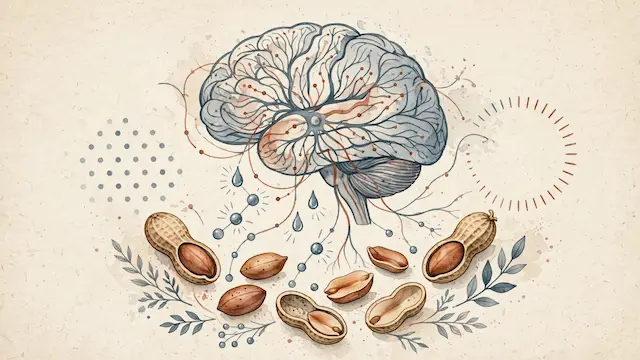
A new study published in the journal Food & Function indicates that daily consumption of peanuts may support brain activity and cognitive sharpness in older adults. The research involved 31 healthy participants aged 60 to 75 over a 16-week period. Participants were instructed to eat two servings of unsalted roasted peanuts, approximately 60 grams daily.
Using advanced MRI scans, researchers measured blood flow in various brain regions after administering insulin nasally. Insulin plays a crucial role in the brain for learning, memory, and neuronal communication, and its sensitivity tends to decrease with age, correlating with cognitive decline. The study observed a significant improvement in the brain's response to insulin among those who consumed the daily peanut portion, particularly in memory-related areas. This enhanced blood flow suggests a more efficient delivery of oxygen and essential nutrients to brain tissues.
However, the researchers emphasized that the study measured physiological markers of brain responsiveness, not direct changes in memory tests or actual cognitive performance. Peanuts, which are legumes with a nutritional profile similar to nuts, are rich in healthy fats, antioxidants, and the amino acid arginine. Arginine promotes nitric oxide production, which helps dilate blood vessels, improving circulation throughout the body and brain. Their fiber, vitamin, and mineral content also support overall metabolic balance.
These findings align with previous research linking peanut intake to improved verbal memory and cerebral blood flow. The article also touches upon the broader context of processed foods, noting that popular snacks like Bamba, often introduced to children, can be an entry point to unhealthy eating habits. This contributes to the multi-billion dollar food industry, which develops highly palatable products that can fuel obesity, diabetes, fatty liver disease, and heart disease, affecting a significant portion of the adult population in Israel.
The same event, reported separately by each outlet. Open a few to compare what different newsrooms emphasize — and what they leave out.
Other 2
