
Israel Spares Hamas Civilian Leaders in Gaza Amidst Military Strikes
Translated & summarized from i24NEWS French by baba
Israel is intentionally sparing Hamas's civilian leadership in Gaza, including mayors and senior officials, to prevent the collapse of local institutions and avoid civil disorder. While military strikes continue against Hamas military operatives, the IDF and Shin Bet have improved intelligence gathering, allowing for more precise operations. Despite significant military weakening, Hamas retains control over daily life in Gaza, and Israel fears destabilizing this further could have regional repercussions.
The story in 5 lines · by baba
- Israel is sparing Hamas civilian leaders in Gaza to prevent institutional collapse and civil disorder.
- The IDF and Shin Bet continue targeted assassinations of Hamas military operatives daily.
- Intelligence advancements have improved Israel's ability to conduct precise strikes in Gaza.
- Hamas retains significant control over Gaza's economy, security, and daily life.
- Israel fears that disrupting Hamas's civilian functions could cause regional instability.
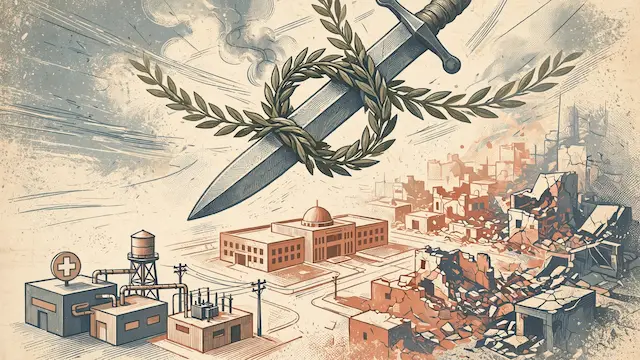
The Israeli military has adopted a new doctrine in the Gaza Strip, granting a form of immunity to Hamas mayors and senior administrative and municipal officials. Military sources cited by Walla news explain this decision stems from a fear that eliminating these civilian cadres could lead to the collapse of local institutions. Such a collapse would plunge Gaza into civil disorder, the consequences of which Israel would have to manage, as international organizations and NGOs would be unable to fill the void. This policy aligns with the Israeli government's stance, which opposes the Palestinian Authority's return to Gaza and favors a third-party entity to govern the territory instead of Hamas.
This sparing of civilian leaders does not indicate a reduction in military operations. The IDF and Shin Bet continue to conduct two to three targeted assassinations daily against Hamas members and commanders, including those involved in the October 7th massacre, those suspected of planning attacks, and cadres involved in rebuilding military infrastructure. Defense officials attribute this operational effectiveness to intelligence advancements over the past year, including increased human sources, real-time field intelligence gathering, and improved coordination between the Southern Command and the Air Force. They contrast this with the pre-October 7th period, when Israeli intelligence lacked human sources in Gaza and relied heavily on phone tapping.
Israeli forces now claim to closely monitor high-ranking military leaders and have developed methods to strike targets within densely populated tent camps while minimizing collateral damage. The IDF states that Hamas has been significantly weakened, with fewer safe houses, tunnels, and experienced leaders familiar with Israeli tactics. However, Hamas's military wing is reportedly attempting to gather intelligence on Israeli army movements along the "Yellow Line" and within Gaza.
Despite these military setbacks, Hamas maintains significant control over Gazans' daily lives, including the economy, internal security, energy, education, health, and local governance. Even in areas where its influence has waned, Hamas officials reportedly continue to exert control through arrests, interrogations, violence, and intimidation, and by forcibly collecting taxes. The Israeli army acknowledges that seriously disrupting these functions could impact regional stability and draw international criticism. Consequently, senior civilian officials have been removed from the target list, a decision currently described as temporary.


