
US Administration Divided on Iran Strategy Amid Escalation Fears
Translated & summarized from Cursorinfo by baba
The U.S. administration is divided on how to approach Iran, with some officials favoring military pressure and others diplomatic solutions. Qatari mediators are engaged in talks in Tehran and Doha to de-escalate tensions and prevent a potential joint U.S.-Israel military operation. The outcome of these discussions could impact global energy markets. The U.S. is coordinating its strategy with Israel, considering various options including military action and regime change.
The story in 5 lines · by baba
- U.S. administration officials are split on whether to increase military pressure or pursue diplomacy with Iran.
- Qatari mediators are holding talks in Tehran and Doha to prevent potential U.S.-Israel military action against Iran.
- A potential conflict with Iran could worsen the global energy crisis.
- The U.S. and Israel are discussing strategies regarding Iran, including military strikes and regime change.
- U.S. decisions on Iran strategy will not be tied to the formation of the Israeli government.
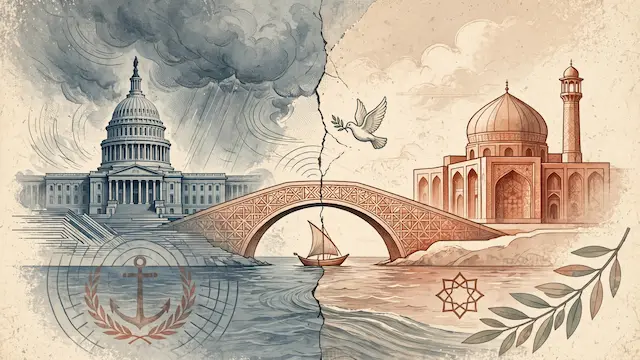
The U.S. administration is preparing for potential escalation with Iran, but significant internal disagreements exist regarding the strategy. Qatari mediators held over 12 hours of talks in Tehran on Friday, aiming to revive dialogue between the U.S. and Iran and prevent a possible joint military operation by Washington and Jerusalem following the U.S. midterm elections. Consultations are set to continue in Doha on Saturday. Qatar plans to propose that Tehran allow inspectors into nuclear facilities in exchange for the easing of U.S. sanctions.
Within the U.S. administration, there is no consensus on the path forward. Secretary of State Marco Rubio and Secretary of Defense Pete Hegseth advocate for increasing military pressure on Iran. Conversely, Vice President J.D. Vance, envoys Steve Witkoff and Jared Kushner, and Secretary of the Treasury Scott Bessent favor pursuing a diplomatic resolution.
The resumption of conflict could lead to widespread destruction in Iran and the Persian Gulf states, exacerbating the global energy crisis. Previously, media outlets reviewed a preliminary draft initiative by mediating countries aimed at resolving the U.S.-Iran conflict, though neither Washington nor Tehran has approved it, and it does not represent a finalized agreement. Israel and the U.S. have been discussing their strategy toward Tehran, considering both potential military strikes and the possibility of regime change, with the U.S. not intending to link its decisions to the formation of the Israeli government after the Knesset elections.
Mentioned

