
Fuel Card Photos Spark Election Bribery Probe in Negev
Translated & summarized from Arutz Sheva by baba
Photos of hundreds of fuel cards distributed in the Negev have prompted an election bribery investigation by Israeli police. A Bedouin source claims activists from Arab parties are offering cash and fuel vouchers to impoverished families in exchange for votes. The source compared the practice to methods used by other parties, questioning the current focus on Arab parties. Police are also investigating suspected foreign influence and other bribery allegations in the region.
The story in 6 lines · by baba
- Photos of fuel cards in the Negev have triggered an election bribery investigation.
- A Bedouin source alleges Arab party activists offered cash and fuel for votes.
- The source compared the alleged practice to methods used by other parties.
- Police are investigating the fuel card documentation and other election offenses.
- Shin Bet is probing suspected foreign influence on Arab community elections.
- Seven suspects were arrested in a separate Negev election bribery probe.
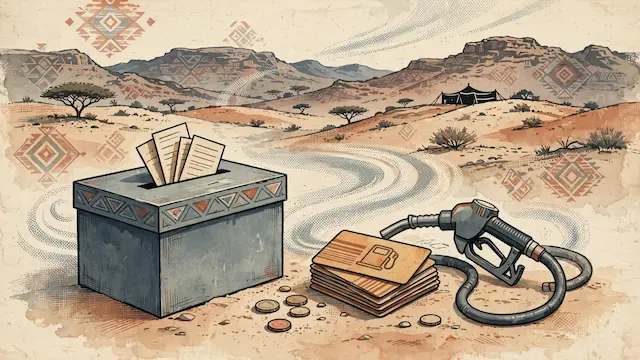
Photos circulating online showing hundreds of fuel cards, some used and scattered at gas stations across the Negev, have raised suspicions of election bribery. The images emerged amid increased voter turnout among the Arab public in recent elections, leading to speculation that the cards were distributed to residents in the Bedouin community to encourage voting for Arab parties. A Bedouin source familiar with the situation described a method allegedly employed by activists associated with Arab parties, particularly Ra'am, in the days leading up to the elections. According to the source, activists visit impoverished families, offering them financial assistance of 200 to 300 shekels, with recipients including families whose homes were demolished and residents of unrecognized villages. The money is presented as aid for the needy, but recipients are reportedly asked to vote for the party. In other instances, 100-shekel fuel vouchers are allegedly given to residents who transport voters to polling stations. The source noted that the amounts can vary based on family size and that distribution occurs one to two days before or on election day. Some recipients, the source claimed, view the money not as bribery but as essential economic aid for families facing severe hardship and a lack of basic services. "I don't understand what all the fuss is about. We learned this from Shas, which has been doing it for years, even distributing money in synagogues. So what's the fuss now? Just because we are Arabs? Because we went to the polls and became a strong political force?" the source asked. The police are currently investigating the fuel card documentation. It is not yet known if these cards are connected to two other ongoing investigations into alleged election-related offenses. One investigation, handled by the Shin Bet, concerns suspected foreign influence on elections within the Arab community, with potential involvement from Qatar. A separate police investigation into alleged election bribery in the Negev has led to the arrest of seven suspects, including three school principals from Tel Sheva and Mas'ad al-Salom. Some suspects were later released to house arrest. They are currently accused of conspiracy to commit a crime, offering or giving election bribes, illegally introducing or distributing ballots, and disrupting the election process.
The same event, reported separately by each outlet. Open a few to compare what different newsrooms emphasize — and what they leave out.
Coverage from Arutz Sheva

Not the same event — other stories that share this one’s people, places, or theme: background, reactions, and follow-ups.




