
Israel Subsidizes Fuel Prices to Lower Costs for Consumers
Translated & summarized from Globes by baba
Finance Minister Bezalel Smotrich signed an order to subsidize fuel excise tax, lowering the price of gasoline to 7.85 shekels per liter starting November 5. This measure aims to mitigate historically high fuel costs driven by elevated global oil prices and refining margins. The state will cover the difference between the expected price and the subsidized rate. The high oil prices are linked to geopolitical tensions and disruptions in key transit and refining capacities.
The story in 5 lines · by baba
- Finance Minister Bezalel Smotrich signed an order to subsidize fuel excise tax.
- The price of gasoline will be 7.85 shekels per liter starting November 5.
- Fuel prices remain historically high due to expensive crude oil and refining margins.
- The state will cover the difference to lower the price for consumers.
- Geopolitical factors, including the Strait of Hormuz blockade, contribute to high oil prices.
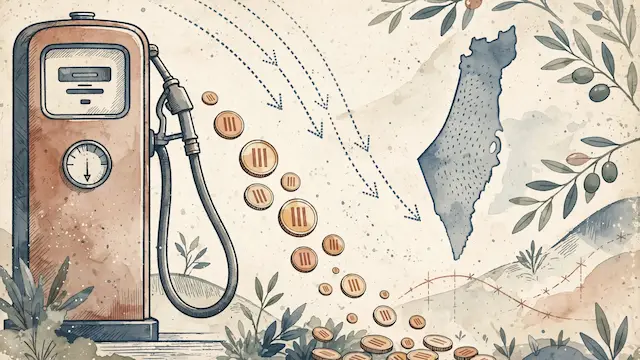
Finance Minister Bezalel Smotrich has signed an order to subsidize the excise tax on fuel, aiming to reduce its price for consumers. Starting November 5, the price per liter of gasoline will be set at 7.85 shekels. From November 1 to 4, the price will be 7.35 shekels due to a previous subsidy order signed by the minister. The price was originally expected to rise to 8.35 shekels on November 5, but the state will cover the difference from its budget. Fuel prices remain historically high due to a combination of exceptionally high crude oil prices, with Brent crude currently at $115 per barrel, and a significant refining margin. The elevated oil price is attributed to Iran's blockade of the Strait of Hormuz, which impedes crude oil transport from the Persian Gulf. Although oil is now flowing through the strait similarly to pre-war levels, increased transit costs and geopolitical fears of further escalation have added a substantial premium to crude oil prices. Additionally, a considerable portion of global refining capacity is located beyond Hormuz and has been affected by long-range Ukrainian attacks on Russia, a major global fuel exporter.
Mentioned