
Shabbat Candle Lighting Times and Weekly Torah Portion 'Va'era'
Translated & summarized from Vesty by baba
This article details Shabbat candle lighting and departure times for October 30-31, 2020, in numerous Israeli and international cities. It explores the weekly Torah portion "Va'era," emphasizing Abraham's exemplary hospitality and the importance of human warmth and respect. The text also recounts a story of compassion between sisters Leah and Rachel and explains the significance and ritual of lighting Shabbat candles, including the traditional blessing.
The story in 6 lines · by baba
- Shabbat candle lighting and departure times for October 30-31, 2020, are provided for Israeli and diaspora cities.
- The weekly Torah portion 'Va'era' highlights Abraham's profound hospitality and the need for human warmth.
- Abraham's greatness is shown in his proactive kindness and respect, even interrupting divine conversation for guests.
- The story of Leah and Rachel demonstrates mercy and nobility in protecting family honor and dignity.
- Lighting Shabbat candles is a significant mitzvah for Jewish women, bringing peace and blessings.
- The article provides the traditional blessing for lighting Shabbat candles.
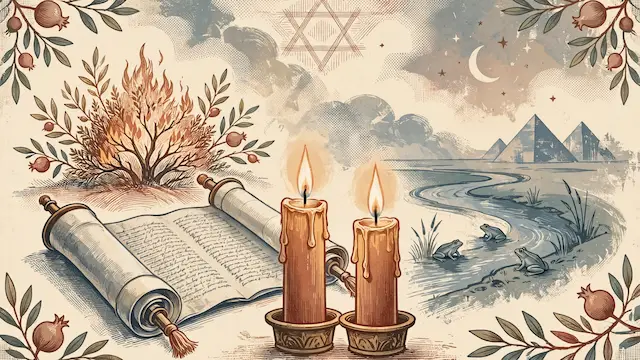
The article provides specific times for Shabbat candle lighting and departure on October 30-31, 2020, across various Israeli cities including Jerusalem, Tel Aviv, Haifa, and Beersheba, as well as in diaspora cities like Moscow, Kyiv, Berlin, Paris, London, New York, and Melbourne. The weekly Torah portion discussed is "Va'era," focusing on the virtue of hospitality and warmth as exemplified by Abraham. It highlights Abraham's greatness not just in his actions, such as rescuing Lot or hosting angels, but in his profound ability to show genuine warmth and respect to all he encountered. The text emphasizes that this lesson in hospitality, learned from Melchizedek (Shem, son of Noah), is crucial even in modern, materially prosperous societies where people still deeply need emotional connection and validation.
The narrative delves into Abraham's unwavering commitment to hospitality, even when in pain after his circumcision, illustrating his proactive search for those in need and his interruption of a conversation with God to welcome three travelers. His personal involvement in preparing and serving the meal, standing before his guests, underscores the importance of respect, which is presented as vital as sustenance itself. The article also recounts the story of Leah and Rachel from the Torah portion "Vayetzei," detailing Rachel's selfless act of giving Leah the mandrakes and sharing a secret code with Jacob to protect Leah's dignity and marriage, demonstrating profound mercy and nobility.
Furthermore, the piece addresses the commandment of lighting Shabbat candles, considered a significant mitzvah for Jewish women, traditionally performed about 20 minutes before sunset (40 minutes in Jerusalem). The "Zohar" is quoted, stating that joyful candle lighting brings peace to the home, blessings of children who illuminate the world with Torah, and longevity. The ritual involves lighting at least two candles, often more per child, in the room where the meal will take place. The candles must burn for at least 1.5 hours. The woman lights the candles, covers her eyes, recites the blessing, and often adds a personal prayer for her family's well-being. The specific blessing for Shabbat candles is provided in Hebrew and transliteration.
Mentioned




