
Shas Suffers Worst Election Results Since 1992, Leader Considers Resignation
Translated & summarized from Mako by baba
The Shas party suffered its worst election result since 1992, falling from 11 to six Knesset seats and losing around 100,000 votes. Party leader Aryeh Deri is reportedly considering resignation amid the significant electoral blow. The overall election results have created a political stalemate, with neither the Netanyahu bloc nor the change bloc securing a majority, necessitating complex coalition negotiations.
The story in 5 lines · by baba
- Shas party's Knesset seats dropped from 11 to 6, its worst result since 1992.
- Party leader Aryeh Deri is reportedly considering resignation after the election loss.
- Shas lost approximately 100,000 votes, with significant losses in peripheral towns.
- The election resulted in a political deadlock, with no bloc achieving a majority.
- Coalition talks are expected to be complex, involving potential alliances and concessions.
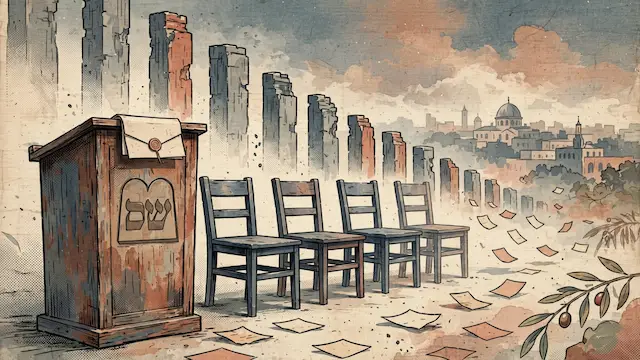
The Shas party experienced a dramatic electoral collapse, plummeting from 11 seats to just six in the latest election results, marking its worst performance since 1992. The party lost approximately 100,000 votes, with a significant portion of these losses concentrated in peripheral towns. Party chairman Aryeh Deri has reportedly secluded himself at home, with close associates suggesting he is contemplating resignation.
An analysis by Dr. Gilad Malach indicates that Shas lost about 45% of its voters in southern peripheral cities, 35% in central and mixed cities, and 25% in Haredi (ultra-Orthodox) cities. Former Knesset member Yigal Guetta attributed the losses to conflicting messages: a strong stance against military conscription alienated traditional voters, while inaction on draft exemption laws disappointed some Torah scholars.
Deri canceled the party's traditional election night event for activists due to the severe setback. Following the results, Rabbi Yitzchak Yosef sent Deri a letter of encouragement, and other rabbis visited his home to offer support. It remains unclear how these results will impact Deri's long-term leadership and whether the voters' message will prompt a change in Shas's direction.
The election outcome has left the political landscape without a clear majority, with Netanyahu's bloc holding 53 seats and the change bloc holding 48. Neither side is close to the 61 seats needed to form a government, forcing both blocs to re-examine alliances and consider unconventional political moves to avoid further elections.
Within the change bloc, possibilities for forming a government led by Gadi Eisenkot or Naftali Bennett are being explored, potentially with support from parties outside their bloc, such as Ra'am, which won eight seats. However, these scenarios face significant political hurdles, particularly regarding cooperation with Arab parties and the demands of Haredi parties.
Netanyahu may also need to adjust his bloc's composition to stay in power, potentially by incorporating parties from the change bloc, which would require him to distance himself from some of his current partners. Party leaders have begun holding meetings to assess their options, but the path to forming a government remains long and contentious.
Mentioned
The same event, reported separately by each outlet. Open a few to compare what different newsrooms emphasize — and what they leave out.
Centre 2Right 3Haredi 1






Not the same event — other stories that share this one’s people, places, or theme: background, reactions, and follow-ups.



