
Iran Fears US-Israel Attack Post-Midterm Elections
Translated & summarized from Mako by baba
Iran fears a US-Israeli attack after the upcoming US midterm elections, believing it could target infrastructure to cripple the economy and potentially overthrow the regime. Reports indicate the US has warned regional nations and is preparing for a possible offensive. Iran's strategic positions on the Strait of Hormuz and its nuclear program remain unchanged amidst these heightened tensions.
The story in 5 lines · by baba
- Iran anticipates a US-Israeli attack after the US midterm elections, targeting infrastructure.
- US has reportedly warned Middle Eastern countries of an impending attack.
- Gadi Eisenkot is seen by some in Iran as potentially continuing Netanyahu's hawkish stance.
- Iran's stance on the Strait of Hormuz and its nuclear program remains unchanged.
- US President Trump has not made a final decision on a broad offensive against Iran.
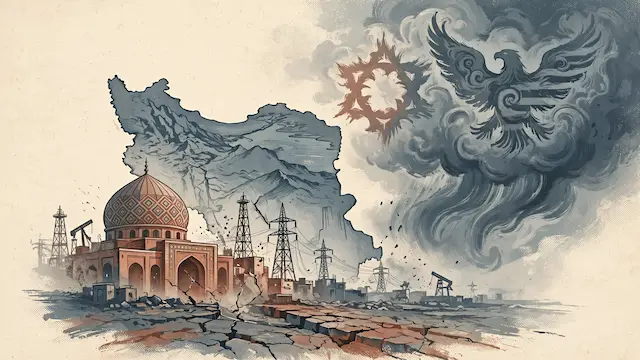
Iran is experiencing heightened anxiety about a potential US-Israeli attack following the upcoming midterm elections in the United States. Tehran believes that the conclusion of elections in both Israel and the US will create an "opportunity window" for a joint Israeli-American strike. According to Iranian assessments, such an attack would target infrastructure to exacerbate the country's economic paralysis, with the ultimate goal of toppling the current regime.
Iranian social media reflects this tension, with one user on X describing the atmosphere as "90 million people looking at the sky, waiting to see when a war will break out." This sentiment is amplified by recent reports of US warnings to several Middle Eastern nations about an impending attack. Iran also perceives a strong Israeli eagerness for such action, with many viewing Gadi Eisenkot as a potential successor to Benjamin Netanyahu's hawkish stance against Iran, expecting him to support an attack.
Amidst these concerns, Iran's Revolutionary Guards conducted a missile test near Mashhad. However, Iran's strategic positions on the Strait of Hormuz and its nuclear program remain unchanged. Tehran continues to link any discussion of its nuclear program to the end of the war and the lifting of sanctions, maintaining its demand for Hormuz passage in exchange for lifting the blockade.
The Wall Street Journal reported that the US had informed several Gulf states to prepare for a brief but intense campaign against Iran after the midterms. While President Trump has not made a final decision, he is reportedly leaning towards a broad offensive that could include infrastructure and nuclear sites. The US has also reportedly reinforced its regional defenses with Patriot missile systems and repositioned forces from vulnerable bases.
Earlier reports from October 13 revealed that Prime Minister Netanyahu had discussed the possibility of renewing hostilities against Iran with President Trump. US officials were reportedly under the impression that Netanyahu was keen to resume attacks even before the Israeli elections, with discussions focusing on a joint operation targeting military and nuclear facilities due to fears of Iran's nuclear program resurgence. The Prime Minister's office denied Netanyahu was pushing for an attack before the elections and declined to comment on his conversations with the President.
On October 8, Trump stated that the US would not attack Iran before the November 3 midterm elections, emphasizing that the blockade would remain in effect. Conversely, Iranian officials, including Mohammad Reza Naqdi, an advisor to the Commander of the Revolutionary Guards, continued to assert control over the Strait of Hormuz as leverage, stating the situation would persist until Iran's demands were met.
Mentioned



