
US Military Buildup Hints at Iran Action, Israel Prepares for Escalation
Translated & summarized from Ynet by baba
The U.S. is increasing its military presence in the Middle East, including more destroyers and aircraft carriers near Iran, signaling potential preparations for conflict. While no decision has been made by President Trump, Israel is readying its defenses and offensive capabilities. Diplomatic channels are also active, with reports of U.S. efforts to resume negotiations with Iran, creating uncertainty about the ultimate course of action.
The story in 5 lines · by baba
- U.S. military assets are increasing in the Arabian Sea, raising concerns about potential conflict with Iran.
- Israeli security forces are preparing for offensive and defensive actions related to Iran.
- President Trump has not yet decided on military action, keeping diplomatic options open.
- Intelligence suggests U.S. air refueling capabilities are being rebuilt for potential operations.
- Diplomatic overtures to Iran are occurring concurrently with military preparations.
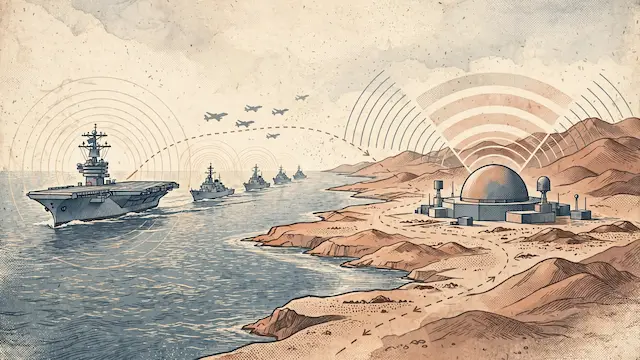
Recent military movements by the United States in the Middle East have raised questions about a potential renewal of conflict with Iran, though no definitive decision from President Donald Trump has been indicated. Israeli security officials are preparing for the possibility of further military action, both offensively and defensively against Iranian retaliation. However, these are described as initial signs aimed at presenting military options to the President.
Key developments include an increased presence of U.S. destroyers in the Arabian Sea, near Iran's coast, with 12 vessels currently operating in the area, up from eight to ten previously. Two U.S. aircraft carriers are also in the region, with a third potentially being redeployed from Japan to bolster forces. Air force analysis suggests a potential rebuilding of U.S. aerial refueling capabilities in Europe, possibly serving as a staging point for operations in the U.S. Central Command area. This is further supported by the recent transport of eight C-17 cargo planes to southern Israel, believed to be carrying air defense systems and logistical equipment.
Despite these preparations, security sources emphasize that the movements do not necessarily signal an imminent attack. President Trump may still opt for a diplomatic path, and the extensive preparations primarily serve to keep military options open. "The Americans are preparing the options for the President, if and when he decides on an attack," one security official stated.
The potential objectives of any future campaign remain a subject of discussion. Past operations have targeted nuclear facilities, while more recent ones focused on weapons production, military and national infrastructure, naval assets, and missile systems. Prime Minister Benjamin Netanyahu's prior directive to security agencies to develop a plan for regime change in Iran, in cooperation with Trump, adds another layer to the potential aims.
Israel's military intelligence and air force are continuously updating target lists, encompassing infrastructure, nuclear sites, military buildup, and missiles. A plan for regime change would also involve the Mossad and other security bodies. Israel is also considering the possibility of an Iranian preemptive strike due to its economic distress and concerns over potential U.S. and Israeli actions.
Amidst the military buildup, diplomatic efforts are also underway. U.S. Vice President J.D. Vance reportedly conveyed a letter to Iran's Mohsen Rezaei, suggesting a resumption of negotiations, a move reportedly known to President Trump. This apparent contradiction between military posturing and diplomatic overtures highlights the uncertainty, possibly serving as leverage against Iran or preparation for a military decision.
Furthermore, Israel is preparing for the possibility of the conflict expanding to include Hezbollah. Recent interceptions of drones near the border are believed to be Hezbollah reconnaissance craft gathering intelligence on IDF deployments. Hezbollah is reportedly moving weaponry and anticipating a renewed conflict. The Northern Command is reinforcing defensive lines, establishing fire control points, and planning operations against Hezbollah strongholds.
The potential escalation could also impact Israel's domestic political landscape, potentially shifting public focus and altering party dynamics during a period of government formation uncertainty.
Mentioned
The same event, reported separately by each outlet. Open a few to compare what different newsrooms emphasize — and what they leave out.
Coverage from Ynet

Not the same event — other stories that share this one’s people, places, or theme: background, reactions, and follow-ups.



