
Ancient Fortress from Judges Period Reopens After Extensive Restoration
Translated & summarized from Arutz Sheva by baba
The ancient Gal'on Fortress in Israel's Gobrin Forest, dating to the 12th century BCE, has reopened after a 400,000 shekel renovation by KKL-JNF and the Israel Antiquities Authority. The site, significant to the biblical Judges period, now features improved accessibility and restored archaeological remains. Officials highlighted its strategic importance and historical parallels to modern security challenges.
The story in 5 lines · by baba
- Gal'on Fortress, from the 12th century BCE, reopened after 400,000 shekel restoration in Gobrin Forest.
- The site offers insights into the struggles of the biblical Judges period involving Canaanites, Israelites, and Philistines.
- KKL-JNF and Israel Antiquities Authority collaborated on preservation and accessibility upgrades.
- Archaeologists noted the fortress's strategic location overlooking a key ancient route.
- The Minister of Heritage linked the ancient conflicts to Israel's current security situation.
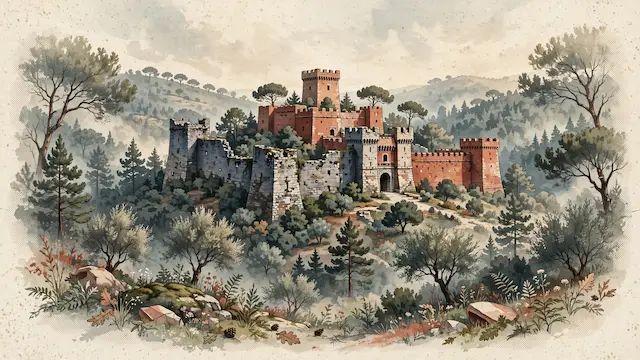
Gal'on Fortress, an archaeological site in the Gobrin Forest dating back to the mid-12th century BCE, has been reopened to the public following extensive preservation, development, and accessibility upgrades costing approximately 400,000 shekels. The project, a collaboration between KKL-JNF and the Israel Antiquities Authority, involved restoring the ancient remains, creating an accessible path, and improving access routes.
The fortress, which is approximately 3,200 years old, is considered significant archaeological evidence of the period of struggles described in the Book of Judges, a time when Canaanites, Israelites, and Philistines vied for control of the land. The site was first opened to the public in a preliminary format about six years ago.
Archaeologists Dr. Saar Ganor and Dr. Itamar Weissbein, who excavated the site, noted its strategic location, overlooking a main route connecting the coastal plain to the Judean foothills. They explained that the fortress likely served as a Canaanite or Egyptian attempt to manage the new geopolitical reality, as the region was transitioning from Egyptian suzerainty with the emergence of the Israelites and Philistines.
KKL-JNF Chairman Eyal Ostrovinsky stated that the site's renewal is part of an effort to preserve and make historical heritage accessible to the public, connecting people to their roots. Ami Shachar, Deputy Director for Preservation at the Israel Antiquities Authority, emphasized the importance of preserving excavated sites for future enjoyment.
Minister of Heritage, MK Amihai Eliyahu, drew a parallel between the ancient struggles for the land during the Judges period and Israel's current security challenges, highlighting the enduring fight for the nation's existence and its firm establishment in the region.
Mentioned
The same event, reported separately by each outlet. Open a few to compare what different newsrooms emphasize — and what they leave out.
Centre 1Right 1Haredi 1



Not the same event — other stories that share this one’s people, places, or theme: background, reactions, and follow-ups.

