
Israelis Spent Over $270 Million on Election Day, Favoring Experiences Over Goods
Translated & summarized from Maariv by baba
Israelis spent over 1 billion shekels on election day, a 41% increase from the last election, but favored experiences like dining and fashion over advertised goods. Retailers offered major discounts on electronics, but consumers used the holiday for leisure activities. This spending surge is partly due to rising prices and increased electronic payments, not necessarily more goods purchased. The trend suggests a preference for experiences over material purchases on this unique day off.
The story in 5 lines · by baba
- Israelis spent over 1 billion shekels on election day, a 41% increase from the previous election.
- Consumers prioritized dining, fashion, and leisure activities over advertised electronics and appliances.
- Retailers offered significant discounts, but spending focused on experiential consumption.
- The spending increase is attributed to a combination of rising prices and leisure choices.
- Data shows a shift from food delivery to dining out on election day.
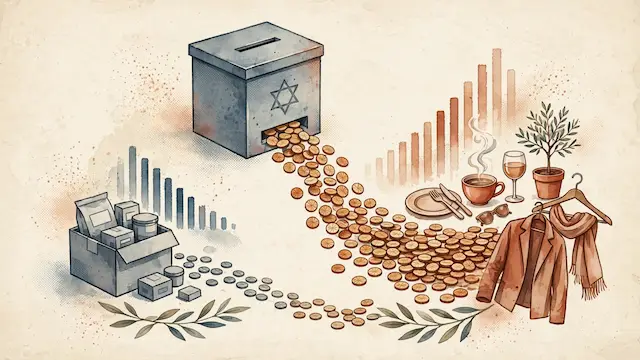
Israelis spent over 1 billion shekels (approximately $270 million) on election day, a 41% increase compared to the previous election, according to data. However, this surge in spending did not primarily go towards the electronics and appliances that retailers had heavily promoted. Instead, consumers opted for family outings, dining at restaurants, and fashion purchases, indicating a shift towards experiential consumption.
Retailers, including food chains and shopping malls, had prepared for a major sales event, offering deep discounts and advertising extensively to capture consumer spending on the public holiday. Food chains, usually focused on groceries, even offered large-screen televisions and coffee makers. Fashion retailers and entertainment venues also vied for a share of household budgets.
Experts suggest that after periods of security tensions and economic strain, many families viewed election day as a rare opportunity for a day off. They chose to spend this time enjoying leisure activities with their children, visiting cafes, and making incidental purchases rather than stocking up on goods. The increase in spending is also attributed to rising prices, population growth, and increased use of electronic payments, meaning the volume of goods purchased may not have risen proportionally.
Data from Hyp company indicates a significant shift, with a 78% drop in food delivery transactions in the morning and an average restaurant transaction value increasing from 50 to 75 shekels. While the food sector saw a 28% increase, it was outpaced by fashion, restaurants, and attractions. This suggests that consumers were dining out rather than ordering in, and the holiday spending pattern differed from pre-holiday stocking up.
The article cautions against interpreting this as a long-term shift in consumer preferences, as election day is a unique event. It highlights the importance of distinguishing between increased spending and increased consumption volume, and between new purchases and brought-forward purchases. Retailers are advised that understanding consumer desire for experiences, convenience, and quality time can be more successful than relying solely on deep discounts.
The same event, reported separately by each outlet. Open a few to compare what different newsrooms emphasize — and what they leave out.
Centre 1Right 1Other 2



Not the same event — other stories that share this one’s people, places, or theme: background, reactions, and follow-ups.




