
Israelis Spend Over 1 Billion Shekels on Election Day
Translated & summarized from Mignews by baba
Israelis spent over 1.14 billion shekels on bank cards on election day, October 27th, a 41.2% increase from the 2022 elections. Spending was highest on groceries, with significant growth in clothing and dining, and a shift towards physical stores over online shopping. The peak spending hour was between 12 PM and 1 PM, with one mall seeing over 170% more visitors than usual.
The story in 6 lines · by baba
- Israelis spent 1.14 billion shekels on election day, up 41.2% from 2022.
- Groceries and beverages were the top spending categories.
- Physical store sales increased 58%, while online sales dropped 44%.
- Consumer activity peaked between 12 PM and 1 PM.
- One mall saw over 170% more visitors than a typical day.
- Food delivery orders to public spaces increased by approximately 40%.
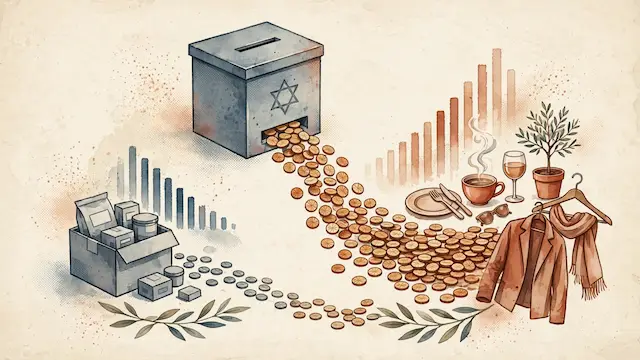
On Tuesday, October 27th, Israelis spent over 1.141 billion shekels using bank cards between 8:00 AM and 5:00 PM, according to SHVA, the company managing the country's national payment system. This figure represents a 41.2% increase compared to the same period during the previous parliamentary elections in 2022.
Spending was primarily concentrated on groceries and beverages. Analysts also noted a significant rise in clothing and footwear sales, with overall turnover for cafes, restaurants, and entertainment venues doubling. During the voting period, consumers favored traditional brick-and-mortar stores over online purchases. Isracard reported a 58% increase in in-store transactions, while online sales decreased by 44% compared to a typical day.
The peak of consumer activity occurred between 12:00 PM and 1:00 PM. At the BIG Fashion Gilonot shopping center, over 33,000 people visited by 5:00 PM, exceeding a normal day's traffic by more than 170%.
The delivery sector also saw changes, with food delivery service Wolt reporting a roughly 40% increase in orders to parks and public spaces, indicating a trend of combining election participation with outdoor leisure. The article also mentions related news items about rising gasoline prices, the establishment of a new settlement, cheaper passport processing, the cost of the war with Iran for the US budget, dollar fluctuations related to election results, the shekel's rise on election day, and Intel's acquisition of an Israeli startup.
The same event, reported separately by each outlet. Open a few to compare what different newsrooms emphasize — and what they leave out.
Centre 1Right 1Other 2



Not the same event — other stories that share this one’s people, places, or theme: background, reactions, and follow-ups.




